











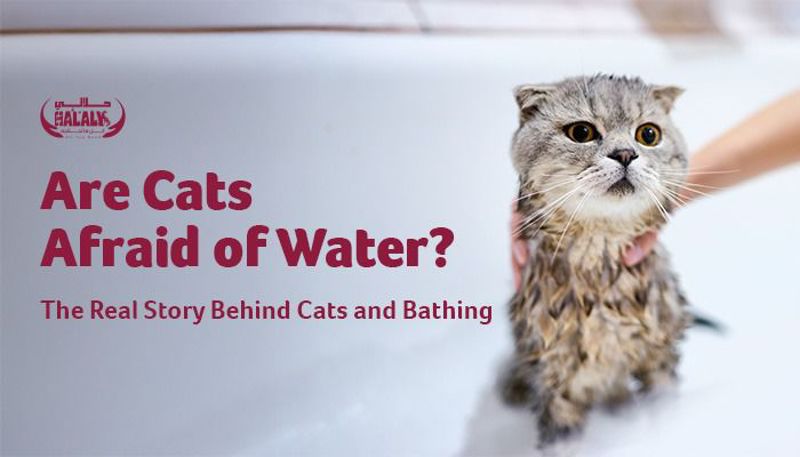
Domestic cats are often perceived as hating water, but this view is not always absolute.
In reality, most cats’ aversion to water is due to a combination of evolutionary, biological, and behavioral factors that make getting wet uncomfortable. However, some cats, particularly certain breeds, may tolerate water better or even enjoy it. Understanding these factors helps cat owners approach bathing sensitively and safely, ensuring the cat’s health and well-being.
Why Do Cats Seem to Drink Little Water?
Why Some Cats Prefer Running Water
Some cats show a preference for drinking from running water sources (like taps or fountains) instead of still water. This behavior may stem from their hunting instincts — wild ancestors drank from streams and rivers, so flowing water feels safer or more familiar.
Still water may also raise doubts about cleanliness for sensitive cats, making flowing water more appealing.
Practical Tip: Using a cat water fountain encourages drinking by providing a continuous flow of fresh water.
Is Low Water Intake Normal or a Warning Sign?
Evolutionarily, wild ancestors of domestic cats lived in arid environments and adapted to consuming less water, partly getting hydration from prey. Modern cats, especially those on dry food, may drink less than dogs.
However, in indoor cats relying on dry food, low water intake can be problematic, potentially leading to dehydration, urinary issues, kidney stones, or infections.
Practical Tip: Provide fresh water daily, consider wet food, or encourage drinking from a fountain if your cat drinks little.
Tips to Increase Water Intake in Cats
-
Use multiple water bowls placed away from food and litter boxes, as some cats avoid water near these areas.
-
Provide a cat water fountain.
-
Offer wet food with high moisture content if your cat refuses regular water.
-
Ensure water is at a comfortable, cool temperature—not too cold or ice-cold.
Do Cats “Die from Water”? Correcting Misconceptions
Risks of Cold Water Exposure
Getting wet can lower a cat’s body temperature, especially if exposed to cold air or not dried properly, risking hypothermia, particularly in kittens or elderly cats.
This risk is easily avoided by using warm water and a towel to dry the cat thoroughly.
Health Conditions That May Be Affected by Water
Cats with sensitive skin, skin diseases, joint problems, or respiratory issues may not tolerate getting wet. Improper or frequent bathing can cause skin irritation or injuries. Strongly scented or chemical shampoos may also bother cats due to their sensitive sense of smell.
The Difference Between Fear and Real Danger
Cats’ aversion to water is often due to discomfort or a past negative experience, not inherent fear or danger.
However, using water incorrectly (too cold, full immersion, strong chemicals) can turn discomfort into a health risk. It’s essential to handle cats gently and mindfully.
Practical Tip: Many cats maintain cleanliness on their own. If bathing is necessary, use warm water, a mild cat shampoo, and dry the cat promptly and calmly.
Recommended Product:
Mild cat shampoo for sensitive fur:
Why Most Cats Hate Bathing
Natural Instincts and Avoiding Wetness
Cats spend much of their time grooming themselves with their tongues, making bathing often unnecessary. Wet fur feels heavy, restricts movement, and makes them feel insecure — unpleasant for an animal accustomed to agility.
Sensitivity of Cat Fur to Water
Cat fur contains natural oils that protect the skin and retain body heat. Water and shampoo can strip these oils, causing dryness, itchiness, or irritation. Wet fur also takes a long time to dry, especially in cooler environments, increasing discomfort or risk of cold.
How Water Affects Scent and Security
Cats rely on natural pheromones to mark their identity and environment. Water may remove these scents, making the cat feel disoriented. Additionally, the sound or sudden movement of water can cause stress.
Not All Cats Fear Water: Breeds That Enjoy Swimming
Some breeds, such as Turkish Van, Maine Coon, and Bengal, are less averse to water and may even enjoy it under proper conditions.
This tolerance often relates to fur structure (more water-resistant) and early exposure — cats accustomed to water from a young age are more accepting. Even within a breed, individual preferences vary.
How to Make Bathing Easier for Cats
-
Use warm water (not too hot or cold) to reduce thermal shock.
-
Minimize immersion: focus on soiled areas only.
-
Introduce water gradually: shallow bowls or gentle sprays can create positive associations.
-
Use a mild, cat-specific shampoo; human shampoos are too harsh.
-
After bathing, dry with a soft towel and avoid drafts until the cat regains warmth.
Soft towel for safe and quick drying:
Safe Alternatives for Water-Averse Cats
If your cat cannot tolerate water, safe alternatives include:
-
Dry cat shampoo: cleans fur without water, ideal for cats that resist baths or need quick cleaning.
-
Cat-specific wet wipes: gently remove dirt and odors without a full wash.
-
Regular brushing: removes debris and distributes natural oils.
-
Fresh water always: ensure continuous access to clean, refreshed water.
Safe dry shampoo for sensitive cat fur: -
Cats’ relationship with water is not “they hate water because it’s dangerous it’s a combination of evolutionary, biological, and sensory factors that make wetness uncomfortable. But water is not always an enemy; some cats tolerate or even enjoy it if introduced carefully.
If you decide to bathe your cat, make it a positive experience: warm water, cat-specific shampoo, quick drying, and gentle handling. If not possible, there are safe alternatives like dry shampoo or wipes.
Most importantly, respect your cat’s personality every cat is unique, and what works for one may not work for another.