

























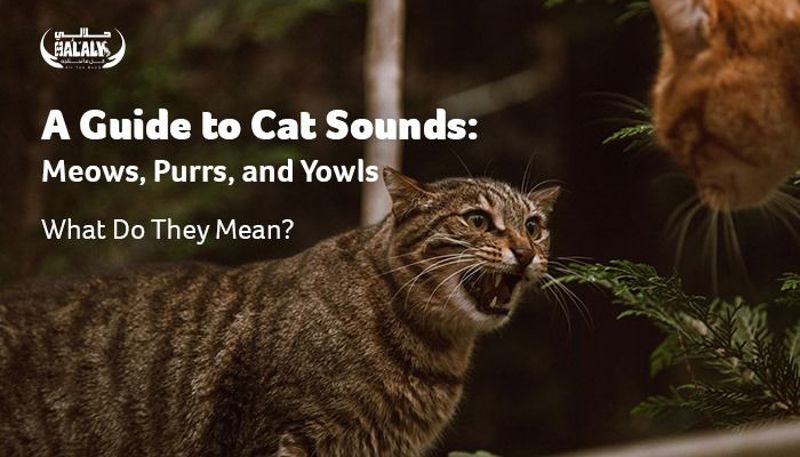
Cats communicate through a variety of sounds, each reflecting their mood or situation. A cat may meow when hungry, hiss when scared, or purr when content. Understanding these sounds can greatly improve your bond and communication with your feline friend.
How Do Cats Communicate Through Sounds?
Cats use their voices to communicate with both humans and other animals. Here’s a quick overview:
-
Meowing: Mostly directed at humans, often signaling a request or seeking attention.
-
Purring: Usually a sign of contentment, though it can occasionally occur when a cat is anxious.
-
Yowling and Hissing: Loud sounds indicating fear, anger, or self-defense.
Using interactive toys, like a flexible feather wand, can help you observe your cat’s responses and encourage healthy vocal communication during play.
Factors Affecting a Cat’s Vocal Tone
Several factors influence how a cat sounds, including:
-
Age: Kittens tend to make higher-pitched, urgent sounds compared to adults.
-
Health: Pain or illness can alter the meow or make purring intermittent.
-
Mood: A happy cat purrs consistently, while an angry cat may hiss sharply.
-
Environment: Loud noises or unfamiliar people may trigger anxious meowing.
Tip: If your cat is easily stressed, a calming spray for cats can help them feel secure and reduce anxiety-related vocalizations.
Meowing: The Most Common Cat Sound and Its Meanings
Meowing is the sound most people associate with cats, but it can convey different messages depending on tone and context. Understanding your cat’s meows helps you respond to their needs quickly and maintain their comfort and happiness.
Meowing for Food or Attention
Cats often give short, repeated, gentle meows when they want food or attention. This is usually accompanied by tail movement or rubbing against you.
Suggested Product: Nutritious, easy-to-digest adult cat food, like Royal Canin British Shorthair ensures your cat enjoys mealtime comfortably.
Meowing from Fear or Anxiety
A fearful or anxious meow tends to be longer and sharper, sometimes accompanied by trembling or a raised tail. Unlike a meow for attention, this one signals discomfort.
Suggested Product: A soft, cozy Halalys plush cat bed provides a safe retreat and helps reduce stress.
Meowing Due to Pain or Illness
A cat in pain may produce loud, continuous meows, sometimes with hissing or screaming. This indicates urgent medical attention is needed.
Suggested Product: A comfortable cat carrier makes trips to the vet less stressful.
Tip: Never ignore persistent or unusual meowing—it could signal a health issue requiring immediate care.
Purring: Why Cats Make This Sound
Purring is more complex than it seems. It often signals contentment but can also occur in other situations.
How Cats Purr
Purring is a steady, vibrating sound produced by the throat muscles during breathing. It generally indicates both physical and emotional comfort.
Suggested Product: A soft, warm cat bed enhances the purring experience, letting your cat relax safely.
When Cats Purr
-
During petting, showing enjoyment.
-
While eating or drinking, signaling satisfaction.
-
Occasionally, when mildly anxious, as a self-soothing mechanism.
Tip: Using a grooming brush or hair remover can make these moments even more enjoyable.
Purring During Sleep or Illness
-
Sleep: Indicates security and relaxation.
-
Illness: Continuous purring may signal discomfort or pain.
Suggested Product: A supportive pillow or cushioned bed can enhance comfort for resting cats.
Yowls and Screams: Loud Sounds Revealing Strong Emotions
Yowls and screams are loud, attention-grabbing sounds that indicate strong emotions like fear, anger, or mating instincts.
Defensive Yowling
When threatened, cats may yowl loudly to warn others. This may be accompanied by tail flicking, claw sharpening, and a defensive posture.
Suggested Product: Multi-level cat condos or hiding spots can help reduce conflicts in multi-cat homes.
Mating Calls
During mating season, vocalizations differ between males and females:
-
Females: Sharp, long, intermittent yowls signaling readiness.
-
Males: Loud sounds to compete or attract females.
These sounds are natural but can be disruptive in small households.
Nighttime Yowling
Cats may yowl at night due to boredom, hunger, loneliness, or anxiety.
Suggested Product: Stimulating toys or a nutritious dinner before bedtime, such as Applaws adult cat food, can help reduce night-time vocalizations.
Kitten Sounds: How They Differ from Adult Cats
Kittens have a unique vocal language: higher-pitched and more urgent, clearly expressing their needs.
Chirping During Play
Kittens may make chirping noises during play, signaling joy and security.
Suggested Product: Interactive toys like hanging balls or feather wands enhance playtime fun.
Distress Meows in Newborns
Newborn kittens emit soft, repeated meows when hungry or cold, their only way to communicate with their mother or human caregiver.
Suggested Product: Warm bedding and small cozy kitten beds keep kittens comfortable and healthy.
Understanding these sounds ensures you can respond promptly and provide a safe, nurturing environment.
When to See a Vet About Your Cat’s Sounds
While most cat sounds are normal, certain vocal cues require immediate veterinary attention:
-
Sudden change in tone: Could indicate illness or stress.
-
Hoarse or difficult vocalization: May point to throat or respiratory issues.
-
Persistent or unusual meowing: Especially with lethargy or loss of appetite, suggesting pain or internal illness.
Suggested Products: Comfortable carriers for vet visits, supplements for throat and immune support, and easily accessible food bowls for sick cats.
Tips for Understanding and Responding to Cat Sounds
-
Distinguish needs vs. distress: Gentle, repeated meows signal need, while loud or sudden yowls indicate discomfort.
-
Create a safe space: Soft beds or quiet corners reduce anxiety.
-
Use calming products: Sprays or warm cushions help soothe nervous cats.
-
Positive reinforcement: Reward calm behavior to encourage relaxation.
-
Interactive care: Grooming brushes strengthen bonding and reduce stress.
Understanding your cat’s vocal language not only improves communication but also enhances their well-being, strengthens your bond, and ensures a happy, healthy life.