

























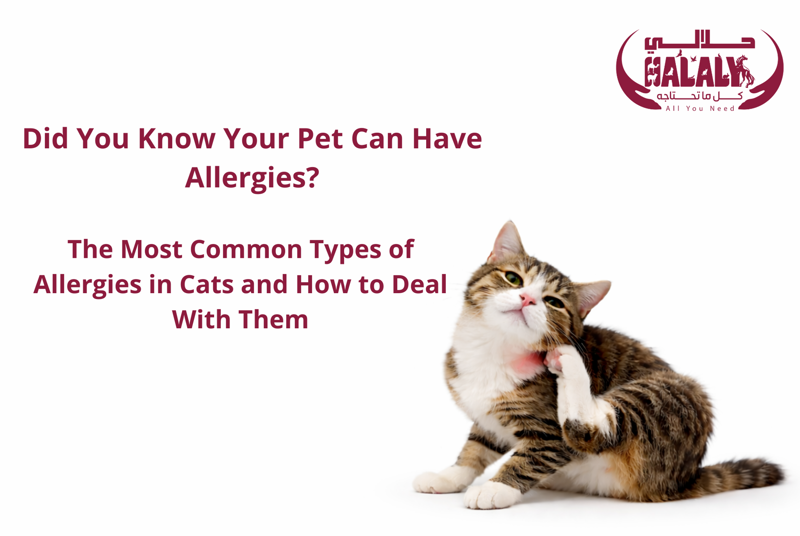
Cats are naturally sensitive animals, and even small changes in their environment or diet can directly affect their health and behavior. Many pet owners notice that their cat starts scratching constantly, losing patches of fur, or sneezing repeatedly without an obvious reason. In many cases, the cause is allergies in cats, a common health issue that can affect the skin, respiratory system, or digestive system.
Understanding allergies in cats not only helps treat the problem but also prevents it from developing into skin infections or more serious health complications. That’s why it’s important to know the possible causes, recognize the warning signs, and understand the right ways to deal with this condition to keep your cat healthy and comfortable at home.
In this detailed guide, we will explore the causes of allergies in cats, the different types, how to identify cat allergy symptoms, as well as diagnosis methods, treatment options, and the best ways to prevent them.
What Are Allergies in Cats and Why Do They Occur?
Allergies in cats occur when the immune system overreacts to a substance it mistakenly identifies as harmful, even though it may actually be harmless. These substances are known as allergens and can include certain foods, flea bites, dust, or even household cleaning products.
When a cat’s body is exposed to these allergens, the immune system releases chemicals such as histamine. These chemicals are responsible for triggering allergy symptoms like itching, inflammation, and sneezing. This is why cat allergy symptoms can sometimes appear suddenly, even if the cat has lived in the same environment for a long time.
In some cases, cat allergies may also be linked to genetic factors. Certain breeds are more prone to allergies than others, and sensitivity can develop gradually over time due to repeated exposure to the same allergens.
Common Types of Allergies in Cats
Allergies in cats can vary depending on the substance that triggers the immune reaction. Identifying the specific type of allergy helps in choosing the most effective treatment and preventing recurring symptoms.
Food Allergies
Food allergies are among the most common causes of allergies in cats. They occur when the immune system reacts to specific ingredients in food, such as proteins found in chicken, fish, or dairy products.
Common cat allergy symptoms related to food include persistent itching, ear infections, and digestive problems such as vomiting or diarrhea. In some cases, cats may also lose patches of fur due to excessive scratching.
Diagnosing this type of cat allergy usually requires a special elimination diet to identify which ingredient is causing the reaction.
In such cases, you can rely on Royal Canin wet food made with chicken and rice in thin slices with gravy, which is a suitable dietary option for cats suffering from food allergies.
Flea Allergy
Flea bites are another very common trigger for allergies in cats. In this case, the allergic reaction is not caused by the flea itself but by the saliva it injects during a bite.
Even a single bite can cause a strong reaction in sensitive cats. Typical cat allergy symptoms include intense itching, especially around the lower back and the base of the tail. If untreated, this can lead to wounds or skin infections.
Controlling fleas is the most important step in treating this type of cat allergy.
Environmental Allergies (Dust, Pollen, Perfumes)
Some cats develop allergies due to environmental factors such as dust, pollen, perfumes, or household cleaning products.
In this case, cat allergy symptoms may appear as frequent sneezing, watery eyes, nasal discharge, or skin irritation. Symptoms may worsen during certain seasons, particularly spring when pollen levels increase.
This form of allergies in cats can be seasonal or year-round depending on the environment surrounding the cat.
Contact Allergies
Contact allergies occur when a cat’s skin reacts to substances it physically touches, such as certain shampoos, fabrics, or even plastic food bowls.
In these cases, cat allergy symptoms usually appear in specific areas like the belly, chin, or paws. Signs may include redness, itching, or skin rashes.
Identifying and avoiding the triggering substance is the most effective way to manage this type of cat allergy.
Symptoms of Allergies in Cats
Cat allergy symptoms vary depending on the type of allergy and the allergen involved. However, there are several common signs every pet owner should watch for. Repeated appearance of these symptoms may indicate allergies in cats.
Severe Itching and Hair Loss
Persistent itching is one of the most noticeable signs of cat allergies. You may notice your cat scratching constantly or licking certain parts of its body excessively.
Over time, this behavior can lead to hair loss or bald patches, particularly around the neck, back, or belly.
Skin Inflammation and Redness
Another common sign is skin inflammation or redness in different areas of the body. This often occurs due to prolonged scratching and irritation.
In some cases of allergies in cats, scabs or small wounds may appear on the skin, increasing the risk of bacterial infections.
Sneezing and Eye or Nasal Discharge
If the allergy is related to environmental triggers, cat allergy symptoms may appear in the respiratory system.
Common signs include frequent sneezing, watery eyes, or nasal discharge. You may also notice your cat rubbing its face or eyes due to irritation.
Vomiting or Diarrhea Related to Food
Food allergies can cause digestive symptoms such as vomiting or diarrhea after eating certain foods.
These cat allergy symptoms may also be accompanied by reduced appetite or weight loss if the issue continues for an extended period.
Diagnosing Allergies in Cats
Diagnosing allergies in cats can sometimes be challenging because the symptoms may resemble other skin or digestive conditions. Veterinarians usually rely on several diagnostic methods to determine the exact cause.
Veterinary Examination and Tests
The first step in diagnosing cat allergies is a comprehensive veterinary examination. The vet will check the skin, ears, and coat, and may order tests to rule out parasites or bacterial infections.
This helps narrow down the possible causes before moving to more specific tests.
Elimination Diet
This method is commonly used when food allergies are suspected. The cat is placed on a special diet containing limited ingredients for about 6 to 8 weeks.
If cat allergy symptoms disappear during this period, ingredients are gradually reintroduced to determine which one triggers the reaction.
Skin or Blood Tests
In some cases, veterinarians may perform skin tests or blood tests to identify allergens responsible for allergies in cats.
These tests help detect environmental triggers such as dust or pollen, allowing the vet to create a targeted treatment plan.
Treatment for Allergies in Cats
Treating allergies in cats mainly depends on identifying the cause and addressing it appropriately. In many cases, symptoms can be managed effectively when the condition is detected early.
Changing the Diet
If allergies in cats are caused by food, adjusting the diet becomes the most important step in treatment.
Veterinarians may recommend foods with alternative protein sources or hydrolyzed proteins that reduce the likelihood of an allergic reaction.
Antihistamines and Corticosteroids
In some cases, veterinarians prescribe cat allergy medications such as antihistamines or corticosteroids to reduce inflammation and itching.
These medications can quickly relieve cat allergy symptoms, but they are usually used for limited periods and under veterinary supervision.
Topical Treatments and Skin Care
Treatment may also include medicated shampoos or topical creams to soothe irritated skin and reduce inflammation.
These treatments help improve skin condition and reduce the itching that often leads to hair loss.
You can also consider TRIAMICINOLONA OVER 20ML, which is known for its effectiveness in treating inflammation and allergies in cats.
Controlling Fleas and the Environment
For flea allergies, it is essential to eliminate fleas from both the cat and the home environment.
Regular use of flea prevention products significantly reduces the recurrence of allergies in cats.
How to Prevent Allergies and Reduce Symptoms
Although it may not be possible to prevent all types of allergies in cats, certain simple steps can greatly reduce the likelihood of flare-ups.
Regular Home Cleaning
Keeping the home clean helps reduce dust and potential allergens. Regular vacuuming of floors and carpets is recommended, and air purifiers can also be helpful.
This is especially important for cats suffering from environmental cat allergies.
Using Products Suitable for Sensitive Cats
Choosing grooming products specifically designed for sensitive cats can reduce the risk of skin irritation.
It’s also advisable to avoid strong perfumes or heavily scented cleaning products that may worsen cat allergy symptoms.
Through the Halalys store, you can also find SENSITIVE SHAMPOO 300ML(VEMEDIM), which is suitable for preventing itching and skin irritation.
Regular Veterinary Checkups
Routine veterinary visits help detect early signs of allergies in cats before they develop into more serious conditions.
Regular checkups also allow veterinarians to adjust treatment plans if new symptoms appear or the cat’s condition changes.
Caring for cats goes beyond simply providing food and daily attention. It also involves monitoring any changes in their behavior, skin condition, or breathing. Understanding the causes of allergies in cats and addressing them properly can protect your pet from discomfort and help ensure a healthier, happier life.
If you’re looking for the best pet care products and expert advice, visit Halalys, where you’ll find a wide range of products and resources to help you provide the best possible care for your cat.