

























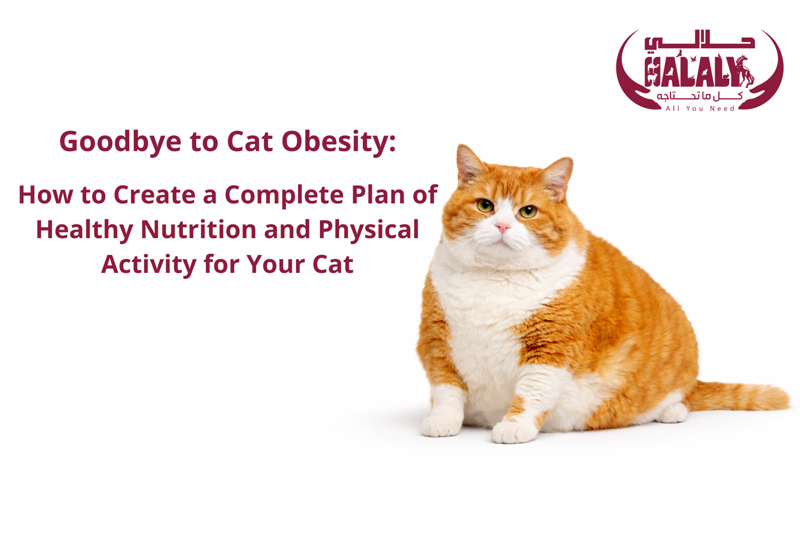
Excess weight in cats has become increasingly common, especially among indoor cats that spend most of their time resting, sleeping, or staying in limited spaces. Many pet owners think that a chubby cat simply looks cute or well-fed, but in reality cat obesity can quickly turn into a serious health problem if it is ignored. Just like humans, when cats gain excess weight, their bodies begin to suffer from multiple health issues ranging from low energy and inactivity to more severe conditions such as diabetes or joint disease.
Understanding cat obesity, recognizing its early signs, and knowing the ideal weight for cats can help pet owners take action before the situation becomes dangerous. Choosing the best diet for cats and maintaining a healthy routine are among the most effective ways to keep a cat active, comfortable, and living a longer life.
What Is Cat Obesity and When Does It Become Dangerous?
Cat obesity occurs when a cat’s body weight exceeds its normal weight by approximately 15% to 20%. At this stage, the extra weight is not just a small gain but a noticeable accumulation of body fat that can affect the cat’s overall health and daily activity.
The ideal weight for cats varies depending on breed, age, and activity level. Most domestic cats typically weigh between 3.5 and 5.5 kilograms, though larger breeds may naturally weigh more. Because of this variation, veterinarians often evaluate body shape rather than relying on numbers alone when determining whether a cat is overweight.
Cat obesity becomes dangerous when fat begins to accumulate around vital organs such as the liver and heart. This can interfere with normal body functions and lead to long-term health complications. Maintaining the ideal weight for cats through proper feeding habits and choosing the best diet for cats is essential to prevent these risks.
Causes of Cat Obesity
In most cases, cat obesity does not result from a single cause. Instead, it develops gradually due to a combination of lifestyle factors, feeding habits, and reduced physical activity. Understanding these causes allows pet owners to adjust daily routines and prevent excessive weight gain.
Even small changes in diet or activity can slowly contribute to cat obesity if they continue over time without adjustment.
Overfeeding and Excess Treats
One of the most common causes of cat obesity is simply feeding too much food. Some owners leave food available all day, allowing cats to eat whenever they want. While this may seem convenient, it often leads to overeating and unnecessary calorie intake.
Treats can also contribute to weight gain. Frequent snacks between meals increase daily calories significantly, especially if they are not included in the cat’s daily nutritional calculation. For this reason, treats should always be considered within the best diet for cats and given in moderation.
Lack of Physical Activity Indoors
Indoor cats tend to move much less than outdoor cats. Limited space, fewer opportunities to hunt or explore, and long hours of rest all reduce calorie burning. Over time, this lack of activity contributes to cat obesity.
Encouraging play and providing stimulating toys can help cats stay active. Regular movement helps maintain the ideal weight for cats and improves both physical and mental well-being.
Therefore, it is important to provide stimulating and interactive toys for cats, you can get a premium pet climbing tower from the Halali website, as it plays a significant role in keeping cats active and moving continuously.
Neutering and Hormonal Changes
After neutering or spaying, hormonal changes can affect a cat’s metabolism and appetite. Many cats become less active and more interested in food following these procedures.
Without adjusting portion sizes or switching to the best diet for cats, the risk of cat obesity increases significantly after neutering. Specialized diets designed for neutered cats can help control calorie intake and maintain the ideal weight for cats.
Genetics and Certain Health Conditions
Some cat breeds naturally gain weight more easily than others. Genetic predisposition can influence how a cat processes calories and stores fat.
Additionally, certain medical conditions may affect metabolism and lead to cat obesity. If weight gain occurs suddenly or continues despite controlled feeding, a veterinary examination is important to identify underlying issues and determine the best diet for cats for that specific case.
Signs and Symptoms of Overweight Cats
Many pet owners do not notice cat obesity until the weight gain becomes obvious. However, there are several early signs that can indicate a cat is moving away from the ideal weight for cats.
Recognizing these symptoms early can help prevent severe obesity and allow timely lifestyle adjustments.
Difficulty Feeling the Ribs
In healthy cats, the ribs should be easily felt under a thin layer of fat. When cat obesity develops, excess fat around the chest area makes it difficult to feel the ribs during a gentle touch.
Veterinarians often use this simple test to assess whether a cat is above the ideal weight for cats.
Belly Sagging and Increased Body Width
Another visible sign of cat obesity is a sagging belly or a noticeably wider body shape. Normally, a cat’s body should have a slight waistline when viewed from above.
If the waistline disappears and the body looks round or bulky, this may indicate weight gain beyond the ideal weight for cats.
Low Energy and Less Interest in Playing
Cats are naturally curious and playful animals. However, cats affected by cat obesity often become less interested in activity and spend more time sleeping or resting.
Reduced energy levels may be the result of carrying extra body weight, which makes movement more difficult and tiring.
Difficulty Jumping or Moving
Jumping is a natural ability for cats, but cat obesity can limit their mobility. Overweight cats may hesitate to jump onto furniture or high surfaces that they once reached easily.
The additional body weight places stress on muscles and joints, making movement uncomfortable and discouraging normal activity.
Health Risks Associated with Cat Obesity
While cat obesity may initially appear to be a cosmetic issue, the health consequences can be serious. Excess body fat affects many organs and can significantly reduce a cat’s quality of life.
Maintaining the ideal weight for cats is therefore not only about appearance but also about preventing long-term medical conditions.
Diabetes
One of the most common diseases linked to cat obesity is diabetes. Excess fat can interfere with the body’s ability to regulate blood sugar levels.
Cats with obesity are much more likely to develop diabetes compared with cats that maintain the ideal weight for cats.
Joint and Bone Problems
Extra weight puts constant pressure on joints and bones. Over time, this can lead to inflammation, stiffness, and mobility issues.
Cats suffering from cat obesity often experience joint discomfort that limits their ability to play and move freely.
Heart and Respiratory Issues
Excess fat can also strain the cardiovascular system. Cats with cat obesity may experience breathing difficulties or fatigue during even mild physical activity.
The additional stress on the heart can increase the risk of long-term cardiovascular complications.
Reduced Life Expectancy
Studies have shown that cat obesity can reduce a cat’s life expectancy compared to cats that maintain the ideal weight for cats. Chronic diseases associated with obesity often shorten lifespan and reduce overall well-being.
Preventing excessive weight gain is therefore one of the most important aspects of responsible pet care.
Safe Ways to Treat Cat Obesity
Managing cat obesity requires patience and a gradual approach. Rapid weight loss can be dangerous for cats, particularly because it may lead to liver problems.
The goal should be steady and controlled weight reduction while maintaining proper nutrition.
Determining the Correct Daily Food Portion
The first step in treating cat obesity is controlling food portions. Measuring meals instead of free-feeding allows owners to monitor calorie intake more accurately.
Adjusting portion sizes gradually helps guide the cat back toward the ideal weight for cats without causing sudden stress or hunger.
Choosing Weight-Control Cat Food
Specialized foods formulated for weight management can support healthy weight loss. These products contain fewer calories but still provide essential nutrients and protein.
Selecting the best diet for cats during a weight-loss program increases the chances of successfully reducing cat obesity.
You can use Royal Canin to help manage weight and promote satiety, available at the Halaly Store.
Increasing Physical Activity Through Play
Regular playtime is an effective way to burn calories and improve muscle strength. Toys that encourage chasing, climbing, or jumping can help cats become more active.
Activity not only supports weight loss but also improves mood and mental stimulation.
Regular Veterinary Monitoring
Veterinary supervision is especially important when dealing with cat obesity. A veterinarian can monitor progress, adjust feeding plans, and ensure that weight loss occurs safely.
Regular checkups help confirm that the cat is gradually approaching the ideal weight for cats.
Tips to Prevent Cat Obesity
Preventing cat obesity is much easier than treating it. Establishing healthy habits early can keep cats active and maintain proper weight throughout their lives.
Simple adjustments in feeding and daily routines can make a significant difference.
Follow a Structured Feeding Schedule
Feeding cats at specific times each day helps regulate appetite and prevent overeating.
Consistent feeding routines support the ideal weight for cats and reduce the risk of unnecessary weight gain.
Limit Treat Consumption
Treats should always be given in moderation. Excessive snacks quickly add extra calories that contribute to cat obesity.
Keeping treats minimal and balanced within the best diet for cats helps maintain healthy body weight.
Encourage Daily Activity and Play
Interactive playtime is essential for physical health. Even short daily sessions of play can help cats burn energy and stay fit.
Regular activity is one of the most effective ways to maintain the ideal weight for cats and prevent the development of cat obesity.
Keeping your cat healthy requires awareness, balanced nutrition, and consistent daily care. When pet owners understand the causes and risks of cat obesity, they can take simple but effective steps to protect their cats from weight-related health problems.
If you would like to learn more practical tips about pet care, nutrition, and animal health, visit halaly for expert advice and helpful guides that support better decisions for your beloved pets.