











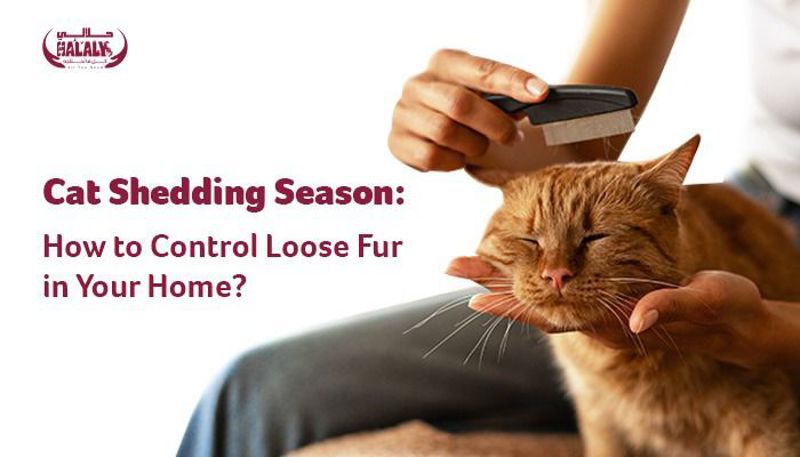
Cat shedding season is not a passing phase, but a recurring cycle linked to seasonal changes, daylight length, and hormonal activity inside a cat’s body. During this time, cat fur changes to adapt to heat or cold, which explains why hair appears on furniture, clothes, and throughout the house. This shedding can be normal and temporary, but it may turn into a real issue if it is accompanied by constant scratching or visible bald patches.
Confusion between normal and excessive cat hair shedding is one of the biggest challenges for cat owners. Acceptable shedding happens at a manageable rate with proper daily care, while the cause of cat hair loss in unhealthy cases is often related to poor nutrition, skin parasites, or psychological stress. Understanding the real reasons behind excessive scratching is far more effective than relying on constant cleaning without addressing the root cause.
Knowing what happens inside your cat’s body during the cat shedding season helps you make practical decisions: when brushing is enough, when dietary changes are needed, and when treatment for cat hair loss becomes a health priority that should not be delayed. Proper awareness reduces household mess while preserving healthy skin and shiny fur.
This guide gives you a complete picture: why hair sheds, what is normal versus concerning, and how to manage the season wisely—step by step, using practical methods you can apply from day one.
What Is the Cat Shedding Season?
The cat shedding season is a natural period during which a cat’s body renews its cat fur to match weather changes. Most cats experience two main cycles each year: one before summer to shed heavy winter fur, and another before winter when lighter fur is replaced with a thicker coat. Daylight exposure plays a direct role in triggering this process, not temperature alone as many people assume.
During this stage, cat hair shedding becomes more noticeable without bald spots or skin irritation. Hair falls evenly across the body, the cat remains active, appetite stays normal, and excessive scratching is absent. These signs confirm that shedding is part of the natural cycle rather than a medical problem.
The Difference Between Normal and Excessive Shedding
The main difference lies in appearance and behavior. Normal shedding is even and controlled, while excessive shedding appears as clumps of hair, bald areas, or constant scratching. In such cases, the cause of cat hair loss is often easy to detect through close observation: skin redness, flakes, changes in mood, or appetite loss.
If scratching increases over time or the cat obsessively licks its body, this is no longer a normal season. Treatment for cat hair loss then requires identifying and treating the underlying cause rather than relying on grooming alone.
Cat Breeds Most Prone to Hair Loss
Not all cats shed equally. Long-haired breeds such as Persian and Maine Coon cats lose larger amounts of cat fur compared to short-haired breeds. Indoor cats exposed to artificial lighting year-round may experience an irregular or prolonged cat shedding season.
Cats with skin sensitivities or weakened immune systems are also more vulnerable to complications from cat hair shedding, even if the process initially appears normal.
Causes of Cat Hair Loss
Seasonal Changes and Sunlight Exposure
Daylight length is the primary trigger of the cat shedding season. Disrupted lighting patterns can interfere with the hair growth cycle and prolong shedding.
Poor Nutrition and Vitamin Deficiencies
Lack of protein, zinc, and omega-3 fatty acids is a major cause of cat hair loss. Low-quality commercial food often leads to dull, weak fur that sheds easily.
Parasites Such as Fleas and Mites
Parasites are one of the most common non-seasonal reasons for hair loss. Continuous scratching damages the coat and leads to visible bald patches.
Stress and Psychological Factors
Moving homes, loud environments, or routine changes can cause stress-induced shedding. In these cases, cat hair shedding is often accompanied by nervous behaviors. Proper nutrition from an early age plays a key role in reducing future shedding issues, which is why kitten growth food is highly recommended.
How to Control Shedding at Home
Daily Fur Grooming
Daily brushing significantly reduces loose hair and prevents hairballs in the digestive system. Choosing the right brush for your cat’s fur type makes a noticeable difference.
Bathing and Shedding-Control Products
Bathing every 4–6 weeks with cat-specific products helps remove dead hair without damaging the skin, especially during peak cat shedding season.
Improving Your Cat’s Diet to Reduce Hair Loss
Essential Vitamins and Minerals for Healthy Fur
Vitamin E, biotin, and omega fatty acids are essential for reducing cat hair shedding and supporting fur regeneration.
Helpful Supplements During Shedding Season
Skin and coat supplements help cats pass through the cat shedding season with minimal hair loss, particularly for cats with previous nutritional deficiencies. You can also find high-quality supplements for young cats from Halaly.
Home Solutions for Managing Loose Fur
Using Pet Hair Vacuums
Specialized vacuums efficiently collect fine hair trapped in carpets and furniture.
Effective Ways to Clean Furniture and Carpets
Rubber gloves, adhesive rollers, and slightly damp cloths are simple yet powerful tools during peak cat hair shedding.
Handling Hair on Clothes and Delicate Fabrics
Washing clothes with dryer sheets or pet hair remover balls reduces hair adhesion.
When Does Hair Loss Become a Health Concern?
Signs of Skin or Medical Issues
Flaking, redness, unusual odors, or localized bald patches suggest the cause of cat hair loss is not seasonal.
Hair Loss Linked to Infections or Persistent Scratching
These cases require professional treatment for cat hair loss under veterinary supervision to prevent worsening.
When Should You Visit the Vet Immediately?
If shedding lasts more than eight weeks or is accompanied by behavioral changes, seek veterinary care without delay.
Daily Tips to Manage the Shedding Season Without Household Chaos
Maintaining a consistent grooming routine, improving nutrition, and closely monitoring your cat’s behavior can turn the cat shedding season into a manageable phase rather than a source of daily stress. Smart care reduces loose hair while keeping your cat healthy and comfortable.
If you’re looking for practical products and expert guidance for pet care aligned with a healthy lifestyle, you can explore tailored resources available through Halaly.
In addition, proper nutrition for cats especially mothers and kittens plays a vital role, and using Royal Canin Mother & Babycat is highly recommended for supporting healthy growth and fur development.