






























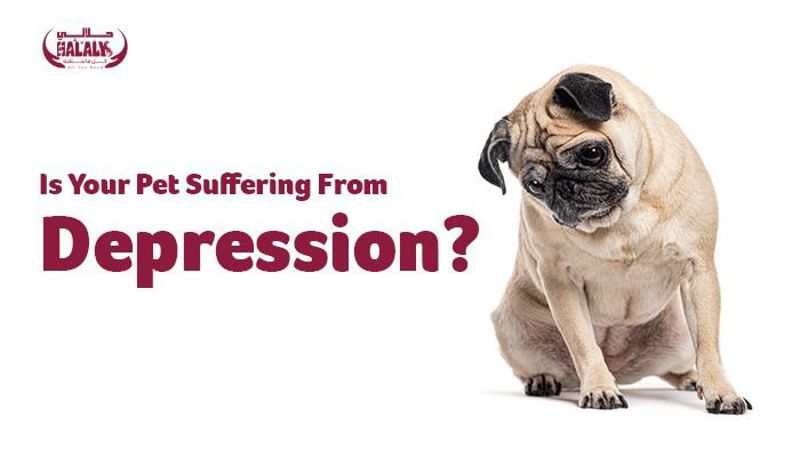
Animal depression is a topic that often goes unnoticed, despite its clear impact on a pet’s daily behavior and overall well-being. Many pet owners observe sudden changes in cat behavior or dog routines—such as withdrawal, loss of appetite, or unexplained aggression—without realizing that these signs may point to a genuine psychological condition. Animal depression is not a result of over-sensitivity or excessive pampering; rather, it is a natural response to emotional stress, environmental changes, or prolonged discomfort. Understanding this condition is the first step toward protecting a pet’s mental health and restoring emotional balance.
Can Pets Really Suffer From Depression?
It is a common misconception that depression is exclusive to humans. In reality, pets experience emotional responses and form strong attachments to their environment and caregivers. Animal depression occurs when pets are exposed to stressors or sudden life changes without adequate support or stimulation. These emotional struggles often develop gradually, making them easy to overlook until noticeable behavioral shifts appear.
How Is Animal Depression Similar to Human Depression?
Animal depression shares several characteristics with human depression, including loss of interest in enjoyable activities, disrupted sleep patterns, appetite changes, and social withdrawal. The main difference is that animals cannot express emotional distress verbally, so their behavior becomes the primary indicator of their mental state.
Why Early Behavioral Changes Matter
Recognizing early signs of animal depression helps prevent the condition from becoming long-term. Timely intervention significantly increases the chances of emotional recovery and reduces potential negative effects on physical health.
Causes of Depression in Pets
Animal depression rarely develops without reason. It is usually the result of multiple emotional or environmental factors that accumulate over time. Identifying these causes allows pet owners to address the root problem rather than only managing visible symptoms.
Loss of a Family Member or Another Pet
-
Pets form deep emotional bonds. The loss of a companion—human or animal—can lead to cat depression or canine withdrawal, often expressed through sadness, isolation, or behavioral changes.
Changes in Daily Routine
-
Pets rely heavily on routine. Sudden changes in feeding times, walks, or interaction levels can create emotional distress, increasing the likelihood of animal depression.
Moving to a New Home or Environment
-
New environments introduce unfamiliar sounds, scents, and spaces. Without proper adjustment time, pets may feel insecure, which can negatively affect their mental health.
Lack of Interaction or Physical Activity
-
Boredom and inactivity are common contributors to animal depression, especially in dogs that require daily exercise and engagement.
Chronic Illness or Ongoing Pain
-
Physical discomfort often impacts mental well-being. In many cases, animal depression is closely linked to untreated or undiagnosed medical conditions.
Signs That May Indicate Your Pet Is Depressed
Since pets communicate primarily through behavior, observing daily habits is essential. Animal depression often presents through recurring behavioral changes rather than a single symptom.
Loss of Appetite or Unusual Eating Patterns
-
Sudden refusal to eat or excessive overeating can both indicate emotional distress.
Low Energy and Reduced Activity
-
A noticeable decline in movement or playfulness is a common sign of animal depression.
Excessive Sleeping or Restlessness
-
Some pets sleep far more than usual, while others experience anxiety and difficulty resting.
Social Withdrawal and Avoidance
-
Isolation is particularly common in cats. Cat depression often manifests as hiding or avoiding interaction.
Aggressive or Destructive Behavior
-
Aggressive cat behavior or destructive actions in dogs may be expressions of emotional frustration rather than behavioral disobedience.
How Is Animal Depression Diagnosed?
Diagnosing animal depression relies heavily on careful observation and understanding recent changes in a pet’s life.
Evaluating Behavior and Daily History
-
Reviewing recent events—such as environmental changes, loss, or reduced activity—helps identify emotional triggers behind animal depression.
Recommended Product: Mild cat shampoo for sensitive fur:
Treatment Options for Animal Depression
In most cases, animal depression does not require medication. Instead, improvement comes from lifestyle adjustments and emotional support.
Increasing Daily Interaction and Play
-
Consistent playtime strengthens emotional bonds and stimulates mental well-being.
Recommended Product: Interactive Mouse Toy
Improving the Living Environment
-
A calm, secure, and comfortable space helps pets regain emotional stability.
Introducing Mental Stimulation Toys
-
Puzzle toys and interactive activities reduce boredom and help manage animal depression effectively.
How Can You Help Your Pet Overcome Depression?
Recovery from animal depression depends largely on consistent emotional support from caregivers.
Maintaining a Stable Daily Routine
-
Predictability restores a sense of safety and reduces stress.
Rewarding Positive Behavior
-
Positive reinforcement encourages confidence and emotional reassurance.
Allowing Time to Adjust After Changes
-
Emotional recovery takes time, and patience is essential.
Increasing Walks and Physical Exercise
-
Physical activity supports emotional balance and reduces anxiety.
Support your cat’s muscle strength with Royal Canin High-Protein Food for Active Cats.
Postpartum Depression in Cats
Postpartum depression in cats is a recognized condition caused by hormonal changes and physical exhaustion after birth. Affected cats may isolate themselves or show reduced interest in their kittens. Providing a calm environment, proper nutrition, and gentle support plays a critical role in recovery.
Symptoms of Depression in Dogs and Behavior Adjustment
Symptoms of depression in dogs include loss of enthusiasm, persistent anxiety, and disinterest in commands or play. Addressing these symptoms requires positive training techniques, regular exercise, and a structured routine that restores emotional security.
The Connection Between Cat Behavior and Mental Health
Cat behavior often reflects emotional well-being. Sudden changes—whether withdrawal or aggressive cat behavior—are strong indicators of emotional distress that require understanding rather than punishment.
Preventing Depression in Pets
Prevention is always easier than treatment. Maintaining emotional balance helps protect pets from developing animal depression.
Providing an Enriching Environment
-
Variety in toys, activities, and interaction keeps pets mentally engaged.
Monitoring Emotional and Behavioral Changes
-
Daily observation allows for early intervention.
Maintaining Regular Feeding and Play Schedules
Consistency supports emotional stability and overall well-being.
Animal depression is a real condition that deserves attention and understanding. Recognizing changes in cat behavior, identifying symptoms of depression in dogs, and responding thoughtfully to emotional distress can significantly improve a pet’s quality of life. Awareness and consistent care strengthen the bond between pets and their owners.
For pet owners seeking reliable products that support both physical and emotional well-being, visiting Halalys can be an important step toward making informed, responsible choices for their pets.