























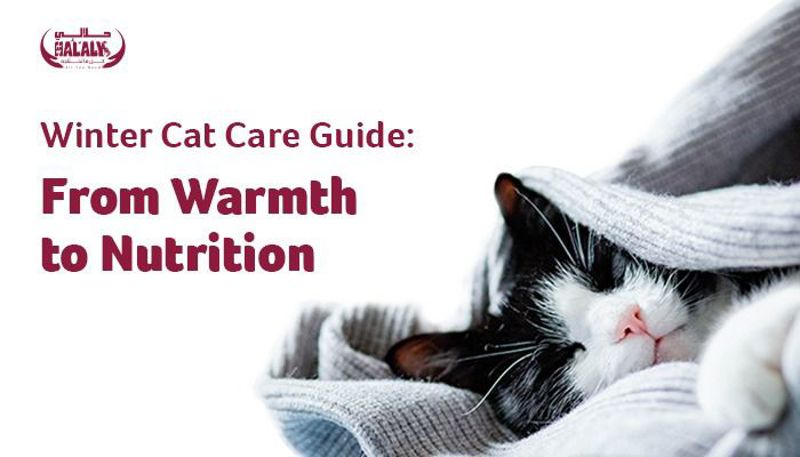
Cats in winter do not handle cold weather as easily as many people assume. While fur provides natural insulation, low temperatures, reduced movement, and changes in daily routine directly affect a cat’s physical health and behavior. Many cats become less active, sleep more, and show increased sensitivity to environmental changes.
During winter, a cat’s body consumes more energy to maintain warmth, which impacts appetite, coat condition, and immune strength. Indoor cats, in particular, tend to struggle more with seasonal adaptation compared to outdoor cats. Neglecting proper care for cats in winter can lead to health issues such as colds, dry skin, and joint pain—especially in older cats.
Caring for cats in winter goes beyond providing warmth. It requires understanding seasonal behavior, adjusting grooming habits, and paying attention to bathing cats in winter, which can cause problems if done incorrectly. From this point, it becomes essential to understand how winter affects your cat and what it truly needs to stay comfortable and healthy during colder months.
Common Health Risks Cats Face in Winter
Cats in winter are more vulnerable to health issues that may go unnoticed at first. Cats instinctively hide pain, making early symptoms easy to miss. Cold temperatures, dry air, and limited sunlight place extra strain on the immune system and gradually affect overall health.
Colds and Respiratory Illnesses
One of the most common problems cats face in winter is respiratory infections. Frequent sneezing, nasal or eye discharge, loss of appetite, and lethargy are warning signs that should not be ignored. Kittens and senior cats are especially at risk, particularly if exposed to cold drafts or poorly insulated sleeping areas.
Poor ventilation caused by keeping windows closed for long periods can also increase the spread of infections. Maintaining a balance between warmth and proper airflow is essential during winter.
Hypothermia and Frostbite
Despite their fur, cats in winter can suffer from hypothermia if exposed to cold conditions for extended periods. Cats that access balconies, rooftops, or outdoor spaces are at higher risk. Ears, tails, and paws are particularly vulnerable and may even experience frostbite-like damage.
Shivering, excessive curling up, or seeking heat sources are signs that a cat is struggling to maintain body temperature.
Dry Skin and Irritated Paws
Cold weather combined with indoor heating systems leads to dry air, which affects skin moisture. Symptoms include dandruff, itching, and cracked paw pads. Improper grooming or excessive cleaning of cats in winter can worsen the issue by stripping natural oils from the skin.
Joint Pain in Senior Cats
Older cats often suffer more during winter. Cold temperatures cause joint stiffness and increase arthritis-related discomfort. You may notice hesitation before jumping, slower movement, or extended rest periods—signs that require extra attention during colder months.
To provide complete and safe nutrition, Royal Canin adult cat food can be used as it is specially formulated to meet all of a cat’s daily nutritional needs.
Preparing Your Home as a Warm Winter Shelter for Your Cat
Creating a comfortable indoor environment is one of the most important aspects of caring for cats in winter. The goal is not excessive heat, but balanced warmth that keeps your cat comfortable without causing dryness or discomfort.
Setting Up a Warm and Comfortable Sleeping Area
Sleeping areas should be elevated and away from cold floors and drafts. Thick blankets or padded cat beds help maintain body heat. Many cats prefer raised spots, so placing bedding on chairs or low shelves can be beneficial.
Cats in winter often seek warmth near electrical appliances, but safety precautions should always be considered.
Protecting the Home from Cold Drafts
Even in warm homes, cold air leaks from windows and doors can disturb cats. Sealing gaps, using heavy curtains, and limiting open balconies help significantly with warming cats in winter.
To support your cat’s health and vitality, try Royal Canin food for kittens and adult cats, enriched with proteins and essential vitamins.
Nutrition and Diet for Cats During Winter
Seasonal changes directly affect a cat’s nutritional needs. Cats in winter burn more calories to stay warm, influencing appetite and energy levels.
Does Your Cat Need Extra Calories?
Some cats may require a slight increase in calories during winter, especially active cats or those exposed to cooler environments. Any increase should be carefully managed to prevent weight gain, as reduced activity is common during winter months.
Monitoring weight, appetite, and energy levels is the best way to determine whether dietary adjustments are needed.
The Importance of Hydration and Water Intake
Despite cooler temperatures, hydration remains essential. Cats in winter often drink less water, increasing the risk of urinary issues. Offering lukewarm water and refreshing it frequently encourages better hydration.
Grooming and Coat Care During Cold Months
Proper coat care is a critical defense against cold weather and dryness.
The Importance of Regular Brushing
Brushing removes dead hair, stimulates blood circulation, and distributes natural oils that protect the skin. Cleaning cats in winter should rely more on regular brushing rather than frequent bathing.
Brushing also prevents matting, which can trap moisture and lead to skin irritation.
When and How to Bathe Your Cat in Winter
Bathing cats in winter should only be done when absolutely necessary. If bathing is required, use warm water in a draft-free space and dry the cat thoroughly afterward. Leaving fur damp in cold conditions can quickly lead to illness.
To provide a balanced and safe diet, you can use complete Royal Canin cat food that covers all of your cat’s nutritional needs.
Winter Clothes for Cats: Are They Really Necessary?
Winter clothes for cats are not essential for all cats, but they can be helpful for short-haired breeds, kittens, or cats with health issues. Clothing should be comfortable, allow free movement, and not cause stress.
If your cat shows discomfort or tries to remove the clothing, it is better to avoid it and explore alternative warming methods.
Winter Diseases in Cats: When Should You See a Veterinarian?
Some winter-related symptoms may appear mild but indicate serious health issues. Persistent appetite loss, breathing difficulties, extreme lethargy, or sudden behavioral changes require immediate veterinary attention.
Winter diseases in cats can progress quickly if ignored, making daily observation essential during this season.
Important Winter Safety Tips for Cat Owners
-
Avoid placing cats near direct heat sources
-
Ensure proper ventilation even in cold weather
-
Be cautious with winter chemicals and medications
-
Maintain grooming routines without over-cleaning
Keeping Your Cat Active Indoors
Reduced activity is one of the biggest challenges cats face in winter. Excessive inactivity leads to weight gain and decreased physical fitness.
Ideas for Indoor Games and Activities
Interactive toys, scheduled playtime, and movement-based games help maintain both physical and mental health. Even short daily play sessions make a noticeable difference during winter.
Caring for cats in winter requires awareness of their physical and emotional needs during colder months. Seasonal changes affect activity levels, immunity, skin condition, and overall comfort. Providing proper warmth, balanced nutrition, thoughtful grooming, and close monitoring of health signs helps prevent many winter-related problems.
To ensure your cat enjoys a safe and comfortable winter, visit Halalys to explore carefully selected winter care essentials for cats. Choosing the right products makes a meaningful difference in keeping your cat healthy, warm, and comfortable throughout the season.