
















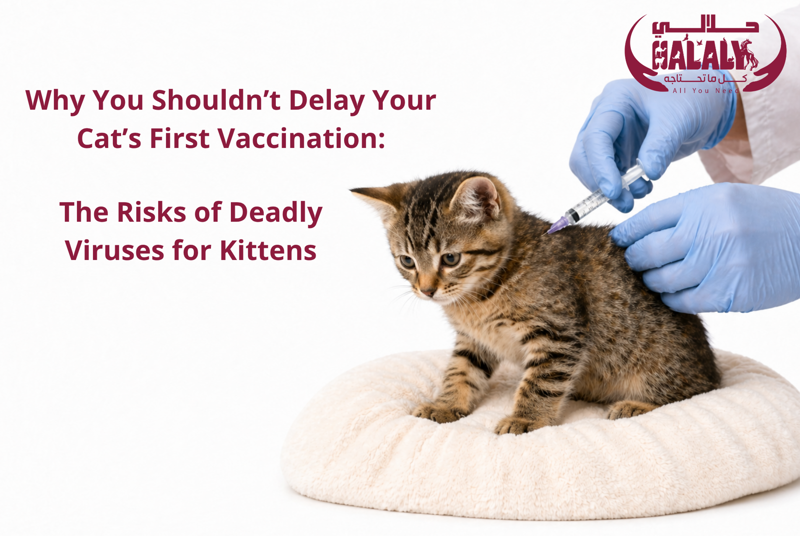
Dealing with your cat’s first vaccination is not just a routine step; it is a crucial decision that determines your cat’s health and quality of life from the very beginning. Kittens are born with an incomplete immune system, and as soon as they start interacting with the outside world, their exposure to viruses and bacteria increases. This is where cat vaccination plays a vital preventive role, protecting your cat from diseases that can be serious or even fatal.
Committing to a proper cat vaccination schedule not only protects your cat’s health but also helps safeguard the surrounding environment, especially in homes with children or other pets. Therefore, understanding the importance of the first vaccination for cats and its timing is essential for anyone who wants to raise a cat responsibly.
What Is the First Vaccination for Cats and Why Is It Important?
The first vaccination for cats is the initial dose given to a kitten to stimulate its immune system to recognize common disease-causing pathogens. Vaccination does not treat diseases; instead, it prepares the body to fight them in the future, significantly reducing the risk of infection.
The Importance of Early Protection Through the First Vaccination
In the early stages of a kitten’s life, the immunity it receives from its mother begins to fade, making it vulnerable to infections. Therefore, the first vaccination for cats serves as the first line of defense, providing the protection needed during this sensitive stage.
It helps reduce the chances of contracting infectious diseases and gives the kitten a healthier start, especially when following a consistent cat vaccination schedule.
How Vaccines Strengthen a Kitten’s Immune System
When a kitten receives its first vaccination, its body starts producing antibodies specifically designed to fight viruses and bacteria. This process strengthens the immune system by teaching it how to recognize and respond quickly to infections.
As a result, following the recommended types of cat vaccinations reduces the risks of not vaccinating cats and gives your cat a stronger ability to resist diseases in the future.
Best Age for Vaccinating Cats
Determining the best age to vaccinate cats depends on several factors, including the kitten’s development stage and natural immunity. Choosing the right timing enhances the effectiveness of the first vaccination for cats and ensures the best immune response.
When Should the First Vaccination Be Given?
Typically, the best age to vaccinate cats is between 6 to 8 weeks old. At this stage, the immunity passed from the mother begins to decline, making the kitten in need of additional protection through cat vaccination.
Booster doses are then administered at regular intervals to ensure continued protection, forming part of a complete schedule that includes all types of cat vaccinations.
Factors Affecting Vaccination Timing
Several factors influence the best age to vaccinate cats, including:
-
The kitten’s overall health condition
-
Its living environment (indoors or outdoors)
-
Level of exposure to other animals
-
Nutrition and general care
These factors help veterinarians determine the most suitable time for the first vaccination for cats and create a precise cat vaccination schedule.
Types of Cat Vaccinations
The types of cat vaccinations include both core and optional vaccines, depending on the cat’s needs and environment.
The Importance of the FVRCP (Quadrivalent) Vaccine
One of the most important core vaccines is the quadrivalent vaccine for cats (FVRCP), which protects against four serious diseases, including:
-
Panleukopenia virus
-
Herpesvirus
-
Calicivirus
-
Respiratory infections
This vaccine is a key part of the first vaccination for cats and plays a major role in reducing disease risks.
Differences Between Types of Cat Vaccinations
The types of cat vaccinations differ in:
-
The diseases they protect against
-
Duration of effectiveness
-
Number of required doses
Some vaccines are given annually, while others require multiple doses early in life, making adherence to a cat vaccination schedule essential.
Risks of Delaying Cat Vaccination
Delaying or neglecting cat vaccination can lead to serious consequences, especially during the early months when kittens are most vulnerable.
Health Risks of Not Vaccinating Cats
The risks of not vaccinating cats include:
-
Weak immune system
-
Increased susceptibility to infectious diseases
-
Difficulty in treatment if infected
-
Higher risk of death in severe cases
Failing to follow through with the first vaccination for cats can expose your pet to avoidable dangers.
Common Diseases in Unvaccinated Cats
Cats that do not receive cat vaccination are at risk of diseases such as:
-
Panleukopenia (feline parvo)
-
Respiratory infections
-
Viral diseases
-
Digestive system disorders
This clearly shows the serious impact of the risks of not vaccinating cats in both the short and long term.
What to Expect After the First Vaccination for Cats
After receiving the first vaccination for cats, some mild symptoms may appear as a natural response from the body.
Common Post-Vaccination Symptoms
These may include:
-
Temporary lethargy
-
Mild loss of appetite
-
Slight fever
-
Minor swelling at the injection site
These symptoms usually disappear within a day or two without medical intervention.
How to Care for Your Cat After Vaccination
To ensure proper recovery after the first vaccination for cats, it is recommended to:
-
Provide a quiet and comfortable environment
-
Offer light, easy-to-digest food
-
Monitor the cat’s condition closely
-
Consult a veterinarian if unusual symptoms appear
These steps help your cat go through the vaccination process safely.
Tips Before and After the First Vaccination for Cats
Proper preparation can make the first vaccination for cats easier and less stressful.
Preparing Your Cat Before Vaccination
Before visiting the vet:
-
Make sure your cat is in good health
-
Avoid exposing it to stress
-
Prepare a safe and comfortable carrier
These steps ensure that cat vaccination is done under optimal conditions.
Important Instructions After Vaccination
After the first vaccination for cats, it is best to:
-
Avoid bathing your cat immediately
-
Follow the schedule for booster doses
-
Monitor any behavioral changes
-
Stick to the full types of cat vaccinations schedule
Taking care of your cat’s first vaccination is the first step toward a healthy and safe life. If you’re looking for everything you need to care for your pet, from trusted products to practical advice, you can visit Halaly and start providing the best possible care for your cat.