






















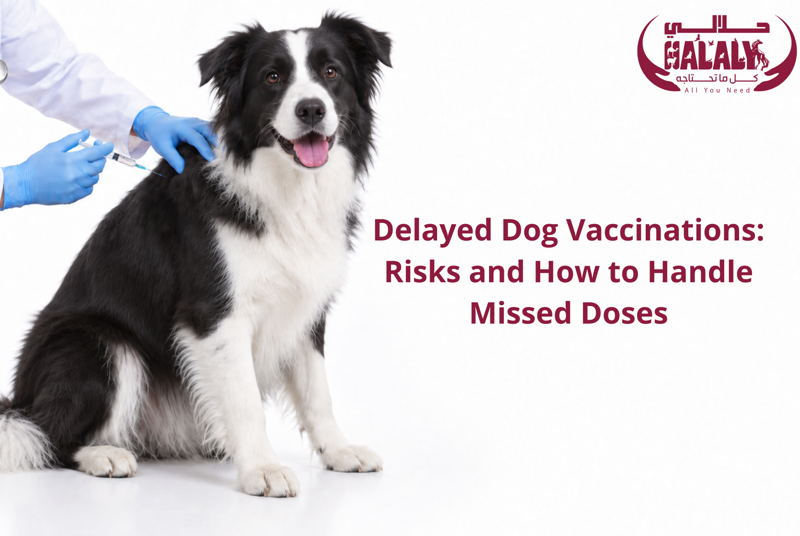
Delayed dog vaccinations may create a gap in immune protection, especially in puppies that have not completed their primary vaccination series. Vaccines are not given at random times. They follow a schedule designed to help the immune system develop a strong response against several infectious diseases that can spread easily between dogs and cause serious complications.
Missing an appointment does not necessarily mean that all previous doses have become ineffective. It also does not always mean that the entire vaccination programme must be restarted. The correct response to delayed dog vaccinations depends on the dog’s age, the type of vaccine, the number of doses previously received, the time since the last dose, the dog’s health, and its potential exposure to infection.
If a vaccination is overdue, the first step is not to administer two closely spaced doses or purchase a vaccine for home use. Instead, consult a veterinarian and provide the dog’s vaccination record. Based on this information, the veterinarian can continue or adjust the dog vaccination schedule to provide the necessary protection without administering unnecessary or poorly timed doses.
Why Are Dog Vaccinations Necessary?
Dog vaccinations help the immune system recognise specific disease-causing organisms before actual exposure occurs. If the body encounters the virus or bacteria later, it will be better prepared to respond and reduce the risk of severe illness or complications.
Vaccination is particularly important for puppies because their immune systems are still developing. The antibodies puppies receive from their mothers gradually decline, potentially leaving them vulnerable to infection. For this reason, delayed dog vaccinations in puppies may be more dangerous than a delayed booster in an adult dog with a consistent vaccination history.
The Importance of Vaccines in Protecting Dogs
Vaccines do not only help prevent infection. They may also reduce the severity of disease and limit transmission to other animals. When more dogs receive their vaccinations on time, certain diseases become less likely to spread in parks, boarding facilities, training centres, and other places where dogs gather.
Vaccines also indirectly protect dogs that cannot be vaccinated temporarily because of illness or another health condition. When surrounding animals are immunised, the likelihood of infection reaching a vulnerable dog is reduced. Delayed dog vaccinations may therefore affect more than one animal by increasing the possibility of disease spreading among nearby pets.
A veterinarian selects the appropriate vaccines for each dog based on its age, environment, and lifestyle. A dog that goes outside daily, stays in boarding facilities, or regularly meets many animals may need a different vaccination plan from an adult dog that lives indoors and has limited contact with other pets.
Diseases Prevented by Vaccinations
Core dog vaccines usually provide protection against highly contagious diseases such as canine distemper virus, parvovirus, and canine adenovirus. Some products may offer additional protection depending on their formulation and local requirements. The contents of a vaccine should therefore not be determined from its commonly used name alone.
Parvovirus is particularly dangerous for puppies and may cause severe vomiting, bloody diarrhoea, and rapid dehydration. Distemper can affect the respiratory, digestive, and nervous systems. A veterinarian may recommend other vaccines according to the dog’s risk level, including vaccines against rabies, leptospirosis, and kennel cough.
Receiving one dose does not mean that a dog is protected against all these diseases. Some vaccines require an initial series followed by booster doses at specific times. Delayed dog vaccinations during the primary series may extend the period during which a puppy lacks adequate protection.
What Are the Risks of Delayed Dog Vaccinations?
The level of risk depends on when the delay occurs. A puppy that has received only one dose may be more vulnerable than an adult dog that has received its primary vaccines and regular boosters for several years. The length of the delay, vaccine type, and possibility of contact with unfamiliar animals also affect the level of risk.
The consequences of delayed dog vaccinations may not appear immediately as visible symptoms. The main concern is incomplete or reduced immune protection. A dog may appear active and healthy while remaining vulnerable to infection if it contacts an infected animal’s secretions or walks through a contaminated area.
How Delays Affect a Dog’s Immunity
Primary doses gradually train the immune system, while boosters refresh and maintain the immune response. When a dose is delayed, the interval between the previous immune stimulation and the next dose becomes longer. Depending on the vaccine, this may affect the continuity of protection.
Puppies are particularly vulnerable because maternal antibodies can interfere with the immune response to some early vaccinations. Core vaccines are therefore repeated at intervals selected by the veterinarian so that an effective dose is given after these maternal antibodies decline. Delayed dog vaccinations during this stage may leave a puppy without reliable protection.
Adult dogs that have completed their primary vaccination programme may retain some immune memory even when a booster is overdue. However, this does not mean that delaying the dose is safe or that the owner can determine the duration of protection without veterinary guidance. Each vaccine has different instructions and an approved period of protection.
Diseases That May Occur Because of Delayed Vaccination
Delayed dog vaccinations may increase the risk of diseases that the missed dose was intended to prevent. The type of risk depends on the vaccine. For example, delaying vaccines against parvovirus and distemper differs from delaying a rabies vaccination in terms of transmission and the resulting health procedures.
Parvovirus can spread through faeces, contaminated surfaces, equipment, and footwear. A puppy does not necessarily need direct contact with a sick dog to become infected. Some respiratory diseases also spread rapidly in places where many dogs gather, such as parks, training centres, and boarding facilities.
If a dog’s vaccinations are overdue, contact with unfamiliar animals and visits to high-risk locations should be reduced until a veterinarian reviews the vaccination record and determines when the dog vaccination programme should continue.
The Correct Dog Vaccination Schedule
A dog vaccination schedule is not a single plan that suits every animal. A veterinarian creates it according to the dog’s age, medical history, available vaccines, and the prevalence of diseases in the area. There are also differences between core vaccines required by most dogs and optional vaccines recommended according to lifestyle.
In general, the primary series begins during the first weeks of a puppy’s life. Doses are then repeated at regular intervals until the puppy reaches an age determined by veterinary guidelines and the vaccine used. A booster is given after the primary series, while later doses are scheduled according to each vaccine.
When Should Puppies Receive Their First Vaccination?
The first vaccination for puppies commonly begins at approximately six to eight weeks of age. However, the exact timing may vary according to the puppy’s health, medical history, and level of risk. The puppy should be examined before vaccination to confirm that it is healthy enough to receive the dose.
The first dose is not usually sufficient on its own because the puppy needs a series of consecutive vaccinations. Owners should understand from the first vaccination appointment that protection develops gradually and that attending subsequent appointments is essential for the programme’s success.
If the puppy’s age is unknown or it was adopted without a medical record, its previous vaccinations should not be guessed. The veterinarian will create an appropriate schedule based on the available information. The puppy may also need an examination and treatment for parasites or other health problems before dog vaccinations begin.
Primary and Booster Dose Schedule
Core vaccinations may begin when a puppy is between six and eight weeks old. They are then usually repeated every few weeks until the puppy reaches an age at which a more reliable immune response can develop. The veterinarian determines the number of doses and the appropriate interval according to the vaccine and recognised guidelines.
After the initial series, a booster is given at the time selected by the veterinarian. Later doses may be given annually or at longer intervals depending on the specific vaccine. Some optional vaccines may require two initial doses, even when administered to an adult dog for the first time.
An online dog vaccination schedule should not be treated as a fixed prescription because vaccine brands, formulations, and approved durations are not identical. The veterinary clinic’s records and the vaccine label attached to the certificate are the most important references when assessing a delay.
What Should You Do If a Vaccination Appointment Is Missed?
If delayed dog vaccinations occur, arrange a veterinary appointment as soon as you notice the missed dose. Send the clinic a copy of the vaccination record if possible. Tell the veterinarian the date of the last dose, the dog’s age, whether it has been in contact with other dogs, and whether it has developed any symptoms.
While waiting for the appointment, reduce contact with unfamiliar dogs and avoid areas where many animals gather. Do not give the dog a vaccine obtained from an unreliable source. Incorrect storage temperatures or improper administration may make the vaccine ineffective or expose the animal to health risks.
When Should You Visit the Veterinarian?
Visit the veterinarian as soon as possible if a core vaccination was missed, the puppy has not completed its primary series, or no record is available to confirm the date of the last dose. The situation becomes more urgent if the dog has been exposed to a sick or unfamiliar animal.
Do not wait for a routine appointment if the dog develops repeated vomiting, severe or bloody diarrhoea, noticeable lethargy, fever, intense coughing, discharge from the eyes or nose, or seizures. These signs do not prove that delayed dog vaccinations are the cause, but they require urgent assessment.
Contact the clinic before arriving if you suspect an infectious disease. This allows the team to receive the dog in a way that reduces contact with other animals. A puppy that has not completed its vaccinations should not be placed on the waiting-room floor, particularly in a clinic that receives many animals.
Does the Dog Need to Restart Its Vaccinations?
It is incorrect to assume that every case of delayed dog vaccinations requires restarting the entire programme. In many situations, the veterinarian can continue from the point where the dog stopped or administer a booster. The correct decision depends on the vaccine type, the animal’s age, and the duration of the delay.
Some non-core vaccines may require an additional dose or the completion of a two-dose series if the delay is long. Other vaccines may produce a different immune response. No single rule applies to all types of vaccinations.
Owners should not shorten the interval between doses to compensate for lost time. Administering doses too closely together does not build immunity faster and may result in a dose that is not recognised as valid under the product’s instructions.
The Five-in-One Vaccine for Dogs
The five-in-one vaccine for dogs is a common name used to describe a combination vaccine that protects against several diseases in one dose. Its exact components may vary between manufacturers and countries, so the label recorded in the vaccination certificate should be checked instead of relying only on its common name.
Using a combination vaccine can reduce the number of injections and make it easier to follow the schedule. However, receiving this vaccine does not mean that the dog has received every vaccine it may need. Rabies and certain optional vaccines may be administered separately.
What Is the Five-in-One Vaccine?
The five-in-one vaccine for dogs usually contains components that target several core viral diseases. Some products may also include protection against additional infections. Because formulations differ, the veterinarian should explain which diseases are covered by the product rather than referring to it only as the five-in-one vaccine.
This vaccine is given as part of the puppy vaccination series and is not a single dose that provides lifelong protection. An adult dog without a known vaccination record may receive a different programme from a puppy. The decision depends on its age, health, and the veterinarian’s assessment.
The five-in-one vaccine for dogs should not be confused with parasite treatments. Vaccinations do not treat worms, fleas, or ticks, while parasite medications do not protect against the viruses included in the combination vaccine.
The Importance of Receiving Each Dose on Time
Following the interval selected by the veterinarian helps the immune response develop correctly. Delayed dog vaccinations between doses in the primary series may extend the period during which a puppy remains vulnerable, especially after it begins going outside or meeting other animals.
If a five-in-one vaccination appointment is missed, do not administer two doses together or shorten the next interval. Contact the veterinarian and explain how much time has passed since the previous dose. This information helps determine the correct way to continue the programme.
Keep the vaccination certificate after every appointment and confirm that the vaccine name, administration date, and next appointment have been recorded. A clear history prevents accidental duplication and helps another veterinarian assess the dog quickly if necessary.
Signs of a Weak Immune System in Dogs
There is no single sign that owners can use at home to confirm that a dog’s immunity is weak because of delayed vaccination. A dog may appear completely healthy despite lacking adequate protection against a particular disease. Immune status is therefore evaluated according to age, health, and medical history rather than activity or appetite alone.
Developing a minor infection does not necessarily mean that a vaccination has failed. Vaccines target specific diseases and do not prevent every cause of vomiting, diarrhoea, or coughing. However, poor nutrition, parasites, chronic illness, and severe stress may affect the body’s ability to resist infection.
Symptoms That Require Attention
Signs worth monitoring include persistent lethargy, loss of appetite, weight loss, repeated infections, slow recovery, fever, vomiting, and recurring diarrhoea. Coughing, discharge from the nose or eyes, and behavioural changes should also receive attention.
These symptoms do not diagnose a weak immune system on their own. They may be caused by parasites, infection, digestive problems, or chronic disease. The veterinarian should be informed about any history of delayed dog vaccinations so that potential exposure can be considered without assuming that the delay is the only cause.
A dog showing signs of an infection should be temporarily separated from other animals and kept away from parks and boarding facilities. Food and water bowls should be cleaned carefully, and the surrounding area should remain hygienic until a diagnosis is made.
When Does the Condition Become Serious?
The situation becomes an emergency if the dog experiences difficulty breathing, collapse, seizures, persistent vomiting, bloody diarrhoea, severe dehydration, or a noticeable loss of consciousness or balance. Puppies require faster intervention because their condition can deteriorate within a short period.
If severe symptoms develop after contact with a sick dog, tell the clinic about the nature of the exposure and the dog’s vaccination history. Do not administer antibiotics or human medication without instructions. An incorrect dose may cause poisoning or hide certain symptoms without treating the cause.
Any bite from an unfamiliar animal should also be treated seriously, especially if the dog’s rabies vaccination is overdue. This type of exposure requires prompt veterinary and public health assessment according to local regulations.
Dog Vaccination Prices
There is no single fixed amount that can be used when discussing dog vaccination prices. Costs vary between clinics and cities and may change according to the vaccine type, country of manufacture, examination fee, and services included with the appointment.
Ask the clinic exactly what the quoted price includes. Is it only the cost of the dose, or does it also include the examination, certificate registration, and follow-up care? Comparing figures alone may be misleading if one clinic lists only the vaccine price while another provides a complete service.
Factors That Affect Vaccination Costs
Dog vaccination prices are affected by the vaccine type, manufacturer, number of components, and import and storage conditions. The cost of the veterinary examination, clinic location, and follow-up services may also influence the final amount.
The cost may increase if the dog requires additional tests or parasite treatment before vaccination. Some clinics offer puppy packages that include an examination, several doses, and other services. Owners should review the contents of the package and confirm that every included service is necessary for their dog.
The lowest price should not be the only factor behind the decision. Make sure that the vaccine has been stored correctly, has not expired, is administered by a qualified professional, and is recorded in an approved certificate. An undocumented dose may cause problems when travelling or using a boarding facility.
Do Prices Differ According to Vaccine Type?
Yes. Dog vaccination prices vary according to whether the vaccine is combined or given separately, the number of diseases it covers, its brand, and its approved duration. The price of the five-in-one vaccine for dogs may differ from the price of rabies, kennel cough, or leptospirosis vaccines.
A greater number of components in the vaccine’s name does not automatically mean it is the best option for every dog. The veterinarian selects vaccines according to the animal’s exposure risk, and not every dog needs all available optional vaccines. The objective is to create an appropriate plan rather than administer the largest possible number of doses.
When asking the clinic about the price, mention the dog’s age and vaccination history. The cost of a puppy’s first vaccination may differ from an adult dog’s booster appointment. A puppy may also require several visits to complete the primary series.
Tips for Avoiding Delayed Vaccinations
The best way to prevent delayed dog vaccinations is to record the next appointment immediately after the current visit. Do not rely on memory, particularly because a puppy’s schedule may include several doses within a relatively short period.
Keep a photograph of the certificate on your phone and store the original in a fixed location. If you move to another clinic, provide the complete record so that the veterinarian does not have to guess or repeat a dose that has already been administered.
The Best Ways to Remember Vaccination Appointments
Set two reminders on your phone: one a week before the appointment to arrange the visit and another one the day before. A calendar application can also repeat annual reminders. Include the vaccine’s name rather than using a general note such as “veterinary appointment.”
Ask the clinic to add your contact details to its reminder service if one is available. Keep vaccination dates and parasite-treatment dates in separate records. This prevents confusion between medication and vaccinations and reduces the possibility of delayed dog vaccinations caused by mistaking a deworming appointment for a vaccination visit.
If you plan to travel or leave your dog at a boarding facility, review the certificate several weeks in advance. Some organisations require vaccinations to be valid for a specific period before admission, so receiving a dose the day before may not always be sufficient.
How to Keep Your Dog Healthy Between Doses
During the primary vaccination series, avoid exposing the puppy to places with a high risk of contamination, such as areas visited by unfamiliar dogs and frequently used floors. However, the puppy should not be completely socially isolated. Ask the veterinarian about safe ways to introduce it to people, sounds, and different environments.
Provide food appropriate for the dog’s age and size, keep clean water available, and follow the parasite-control programme recommended by the veterinarian. Monitor the dog’s stool, appetite, and activity, and do not postpone an examination if signs of illness appear before the next dose.
Do not vaccinate a sick dog simply to keep the original appointment. The veterinarian may decide to delay the dose briefly until the animal recovers. This planned medical postponement is different from delayed dog vaccinations without follow-up or an alternative appointment.
Frequently Asked Questions About Delayed Dog Vaccinations
The exact answer varies according to the type of dose, previous vaccination history, and the dog’s health. The following information explains the general approach, while the veterinarian remains responsible for determining the correct programme for each dog.
How Long Is the Grace Period After a Vaccination Appointment?
There is no standard grace period that applies to every vaccine and every dog. A minor delay in certain booster doses may not cause protection to disappear immediately, but this does not mean that a fixed safe period exists without veterinary assessment.
Following the correct intervals is particularly important for puppies because their primary series is not yet complete. The longer delayed dog vaccinations continue during this stage, the longer the puppy may remain exposed to disease before developing more reliable immunity.
Contact the clinic as soon as the appointment is missed instead of allowing another week or month to pass. Knowing the vaccine type and date of the previous dose allows the veterinarian to determine the new appointment accurately.
Does Delaying a Dose Affect the Vaccine’s Effectiveness?
A delay may affect the continuity or completeness of protection, but the degree of impact depends on the vaccine and the stage of the programme. The effect is usually more important when a puppy misses part of the primary series than when an adult dog with a consistent vaccination history misses a booster.
Delayed dog vaccinations do not automatically make all previous doses ineffective. The immune system may retain memory that allows some programmes to continue without restarting every dose. However, this decision requires a review of the vaccination record and the vaccine’s instructions.
Do not attempt to compensate for the delay by shortening the intervals or administering the vaccine at home. The safest approach is to continue the dog vaccination schedule according to the adjusted plan provided by the veterinarian.
Can a Sick Dog Be Vaccinated?
The decision depends on the type and severity of the illness and the dog’s general health. The veterinarian may postpone vaccination if the dog has a fever, severe vomiting or diarrhoea, an active infection, or a noticeable decline in its condition. This prevents placing an additional burden on the body while it is unwell.
Minor conditions do not always mean that vaccination is prohibited, but only a veterinarian can make that decision after examining the dog. The veterinarian should be informed about all symptoms, current medications, and any previous reactions following vaccination.
If the veterinarian decides to postpone the dose, request a clear replacement appointment and do not leave the schedule without follow-up. In this situation, delayed dog vaccinations become a calculated medical decision rather than an oversight that may continue for several months.
Following the recommended vaccination schedule protects dogs from diseases that may be severe and highly contagious. A missed dose can usually be managed more effectively when the owner contacts the veterinarian early and avoids making unplanned decisions.
To find daily care, feeding, and other essential products for your dog, visit Halalys and choose the supplies that can help maintain your pet’s health and comfort between vaccination appointments.