








































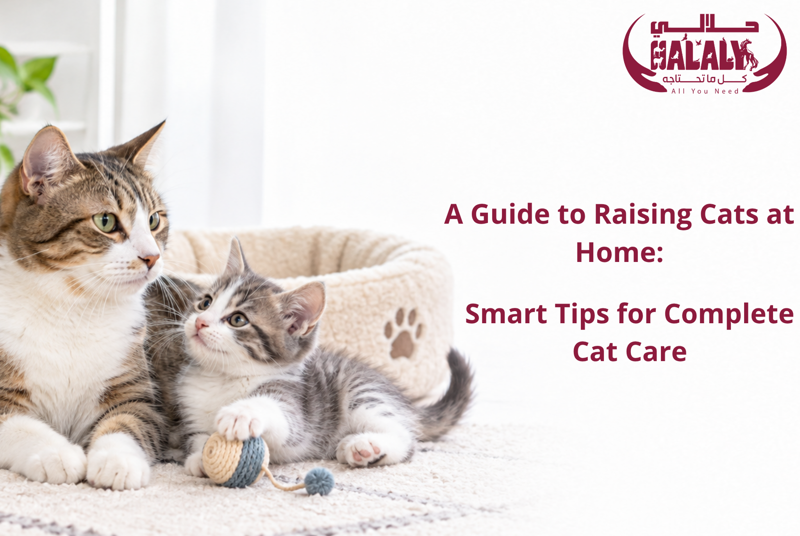
Raising cats at home begins with understanding a cat’s needs before bringing one home, rather than simply buying food and a litter box. Cats need a safe space, suitable nutrition, regular hygiene, healthcare, and daily time for play and interaction.
A successful experience also depends on choosing a cat that suits your home and family lifestyle. Some cats are calm and independent, while others require constant activity and attention. Understanding the basics of raising cats at home can help you prevent behavioural and health problems from the beginning.
Why Do Many People Prefer Raising Cats at Home?
Cats suit different lifestyles because they can live comfortably indoors without needing to go outside every day like some other animals. They are naturally clean and can usually be trained to use a litter box within a short period.
However, the convenience of raising cats at home does not mean that they require no responsibility. Owners must provide food, veterinary care, sufficient playtime, clean supplies, and regular monitoring of any changes in their cat’s health or behaviour.
Benefits of Raising Cats at Home
One of the main benefits of raising cats at home is that they do not require a very large space, provided they have suitable areas for movement, climbing, and hiding. A cat can adapt well to a small apartment when given enough stimulation and activity.
Cats are also relatively quiet and independent, but they still need interaction with their owners. They may suit people who spend part of the day outside the home, as long as they are not left alone for extended periods without food, water, or activity.
How Can Cats Affect Mental Well-Being?
Having a cat at home may provide a sense of comfort and companionship, especially when the cat interacts with its owner through play or sits nearby. A daily routine involving feeding, cleaning, and play can also add structure and positive activity to the day.
However, a cat should not be treated as a form of therapy, and owners should not expect it to behave the same way at all times. Respecting a cat’s desire to move away or sleep is an essential part of raising cats at home in a healthy and comfortable way.
How to Raise Cats at Home for Beginners
The correct way to raise cats at home starts with preparing everything the cat needs before it arrives and allowing enough time for adjustment. Do not expect a new cat to explore the entire home or interact with every family member on the first day. It may need several days to feel safe.
Begin with a quiet room containing food, water, a litter box, and a sleeping area. Once the cat begins eating, using the litter box, and moving around confidently, gradually allow it to explore the rest of the home.
Preparing a Suitable Space for Your Cat
Provide your cat with a quiet corner away from constant noise and movement. Place its bed or blanket in a warm location and provide a small box or cat house where it can hide when it feels frightened.
Secure windows and balconies, and remove exposed wires, cleaning products, medicines, and unsafe plants. It is also important to inspect narrow spaces behind appliances and furniture before raising cats at home.
Essential Supplies for House Cats
House cats need several essential supplies, including:
-
Separate food and water bowls.
-
Food suitable for the cat’s age and health.
-
A litter box with absorbent cat litter.
-
A litter scoop.
-
A comfortable bed or blanket.
-
A scratching post or scratching board.
-
A variety of safe toys.
-
A well-ventilated carrier.
-
A brush suitable for the cat’s coat length.
-
Nail clippers designed for cats.
It is best to place the water bowl some distance away from the food and litter box. You may also need more than one water bowl if the home is large. If you have multiple cats, do not make them depend on a single bowl or litter box.
Best Types of House Cats
The best types of house cats cannot be chosen by appearance alone. Temperament, age, health, and activity level are more important than coat colour or breed name.
A calm adult cat may be easier for a beginner than a kitten that requires constant supervision and training. Mixed-breed cats can also make excellent companions, and choosing a purebred cat is not necessary to find a friendly and affectionate pet.
Cats Suitable for Families and Children
Calm cats that tolerate handling and do not become easily disturbed by noise may be suitable for families. Breeds such as the Ragdoll, British Shorthair, and Birman are generally known for their calm temperaments, but every cat behaves differently according to its personality and previous experiences.
Children should be taught not to hold a cat by force, pull its tail, or disturb it while it is eating or sleeping. Even when choosing one of the best types of house cats, interactions between children and cats should be supervised to protect both of them.
Best Cat Breeds for Small Spaces
British Shorthairs, Scottish Folds, and some mixed-breed house cats may adapt well to apartments if they have calm personalities and receive sufficient activity. However, choosing a particular breed does not guarantee that caring for the cat will be easy.
A cat living in a small space needs access to vertical areas through secure shelves or a cat tree, along with daily play sessions. Raising cats at home therefore depends more on organising the available space than on the size of the home itself.
Feeding House Cats a Healthy Diet
Balanced nutrition is one of the most important aspects of raising cats at home. Cats require nutrients and protein levels that suit the way their bodies function. Feeding table scraps or relying on one type of human food is not enough.
The appropriate amount of food varies according to the cat’s age, weight, activity level, and health. Follow the feeding instructions on the food packaging, then work with a veterinarian to adjust the quantity if the cat gains or loses weight.
Best Foods for House Cats
Choose a complete and balanced food designed for your cat’s life stage, whether it is a kitten, adult, or senior cat. Dry and wet food can be combined in a way that suits the cat’s needs, and wet food may help increase its fluid intake.
Make sure clean water is always available and wash the water bowl every day. If you want to change the cat’s food, make the transition gradually over several days to reduce the risk of digestive problems.
Foods Cats Must Avoid
Do not give your cat chocolate, onions, garlic, grapes, raisins, or drinks containing caffeine. Alcohol, cooked bones, raw dough, and foods containing large amounts of salt or seasoning should also be avoided.
Regularly giving cats cow’s milk is not recommended because some cats cannot tolerate lactose and may develop diarrhoea. Supplements and human medicines should never be given without veterinary advice, as some common medications can be toxic to cats.
Daily Cat Care
Raising cats at home is not limited to providing food. A cat needs a daily routine that includes cleaning the litter box, monitoring its appetite and water intake, providing playtime, and regularly checking its coat, eyes, and ears.
This routine can help you notice changes early. If your cat begins hiding, stops eating, or changes its litter box habits, it may be experiencing stress or a health problem.
Cleaning Cats and Caring for Their Coats
Cats naturally clean their own bodies, so most do not need frequent bathing. A cat can be bathed when it becomes very dirty or when recommended by a veterinarian, using only shampoo made specifically for cats.
Brush the coat once or several times a week according to its length and thickness. Brushing removes loose hair, reduces tangles, and gives you an opportunity to check the skin for fleas, redness, or unusual lumps.
The Importance of Daily Play and Activity
Cats need short daily play sessions that imitate chasing and hunting. Use feather wands, balls, and moving toys, and rotate them regularly to prevent your cat from losing interest.
Play helps reduce boredom, weight gain, and destructive behaviour. It is also an important part of how to raise cats at home, especially when a cat does not have access to an outdoor environment.
Training Cats at Home
Cats learn more effectively through repetition and immediate consequences than through punishment. Reward desired behaviour with a small treat or a play session, and avoid shouting, hitting, or spraying the cat with water.
Training requires patience because one cat may respond quickly while another may need more time. Keeping supplies in fixed locations and following regular feeding times can help establish a clear routine that is easier for the cat to follow.
How to Train Cats to Use the Litter Box
Place the litter box in a quiet, accessible location away from food and water bowls. Show your cat where it is after it arrives and after meals, but do not force it to remain inside the box.
Remove waste every day and wash the box regularly without using products with strong smells. If your cat suddenly stops using the litter box, do not assume it is being stubborn. The box may be dirty, the type of litter may have changed, or the cat may have a health problem.
How to Reduce Aggression and Scratching
Scratching is a natural behaviour that cats use to maintain their claws, stretch their bodies, and mark their territory. Provide vertical scratching posts and horizontal scratching boards near the cat’s sleeping area or any furniture it tries to scratch.
If your cat bites during play, calmly stop the interaction and offer a toy instead of your hand. Do not use your hands for direct play because this teaches the cat that biting and scratching are acceptable parts of interaction.
Maintaining the Health of House Cats
Raising cats at home requires veterinary follow-up even when the cat never goes outside. Indoor living does not prevent every disease or parasite, and some harmful organisms can enter the home on shoes or through other animals.
Arrange a veterinary examination after adopting a cat to assess its health, weight, teeth, and skin. The veterinarian can also create an appropriate plan for vaccinations, parasite control, and spaying or neutering.
Vaccinations and Regular Check-Ups
A veterinarian determines the vaccinations a cat needs according to its age, health history, and level of exposure to risk. Do not rely on a single online schedule because the number and timing of doses may differ between cats.
Regular examinations help monitor the cat’s weight, teeth, heart, and skin. A veterinarian can also recommend an appropriate prevention programme for worms, fleas, and ticks based on the cat’s environment and lifestyle.
Signs of Illness That Should Not Be Ignored
Seek veterinary advice if you notice loss of appetite, repeated vomiting, diarrhoea, difficulty breathing, or severe lethargy. Difficulty urinating or repeatedly entering the litter box without producing urine also requires attention, particularly in male cats.
Other important signs include weight loss, increased water consumption, unusual discharge, and changes in walking or balance. Never use human medication to treat a cat without veterinary instructions.
Common Mistakes When Raising Cats at Home
Some mistakes occur because people assume that cats can take care of themselves completely. However, cats need daily monitoring and an organised environment. Leaving food available throughout the day without monitoring portions or weight is not enough.
Another common mistake is choosing a cat based only on appearance and later finding that its activity level or needs do not suit the family. Successful cat care begins with understanding the responsibility involved before adopting.
Behaviours That Cause Stress in Cats
Cats may become stressed by loud noises, frequently changing the location of their supplies, or being forced to interact. They may also feel unsafe if they do not have an elevated area or a quiet corner where they can hide.
Do not punish a cat for being frightened or trying to escape. Give it space, maintain a consistent routine, and introduce it to new people and animals gradually.
Feeding and Daily Care Mistakes
Common mistakes include providing excessive amounts of food, relying heavily on treats, failing to provide clean water, and neglecting litter box cleaning. Changing food suddenly may also cause digestive problems.
Failing to trim the cat’s claws, brush its coat, or care for its teeth can increase the risk of problems over time. Raising cats at home should therefore include preventive care rather than waiting until a problem appears.
Tips for Making House Cats More Comfortable
House cats feel more comfortable when they can predict what will happen during their day. Try to maintain regular feeding, play, and cleaning times, while providing several spaces for sleeping and hiding.
Pay attention to your cat’s body language. Ears pulled backwards, a rapidly moving tail, and attempts to move away may indicate discomfort. Ending the interaction at this point can help prevent biting and scratching.
How to Provide a Safe Environment for Cats
Install strong screens on windows and balconies, and keep medicines, cleaning products, and sharp objects inside closed cabinets. Check whether plants are safe before placing them where your cat can reach them.
Do not leave strings, plastic bags, or small toys unattended. Always check where your cat is before operating the washing machine or dryer or closing cupboards because cats often hide in warm, narrow spaces.
The Best Ways to Handle a New Cat
When a new cat arrives, leave it in a quiet room containing everything it needs. Sit nearby, speak in a calm voice, and allow the cat to decide when it is ready to approach you.
If you already have another pet, begin by exchanging their scents before arranging a direct meeting. Their first meetings should be short and supervised. Rushing the introduction may lead to fear or aggression that becomes difficult to reduce later.
Frequently Asked Questions About Raising Cats at Home
A cat’s needs vary according to its age, health, and personality. However, the following answers explain several points that frequently concern people raising cats at home for the first time.
If a health or behavioural problem continues, consult a veterinarian rather than depending only on general experiences or advice.
Do House Cats Need to Go Outside?
A house cat does not need to roam freely outdoors to live a healthy and satisfying life. Owners can provide activity inside the home through toys, climbing areas, secured windows, and daily play sessions.
Unsupervised outdoor access may expose a cat to accidents, infections, getting lost, and fights with other animals. If you want to take your cat outside, gradually train it to wear a suitable harness or provide a secure and enclosed outdoor area.
How Many Times a Day Should Cats Be Fed?
Kittens usually need more meals than adult cats because of their smaller stomachs and growth requirements. An adult cat’s daily portion can be divided into two or more meals according to the type of food and veterinary recommendations.
The important point is to calculate the total daily portion instead of refilling the bowl every time it becomes empty. Monitor your cat’s weight and body condition because the lower activity levels of some house cats may make them more likely to gain weight.
What Is the Best Type of Cat for Beginners?
The best choice for a beginner is a healthy, calm cat with a known temperament and needs that match the family’s available time and living space. An adult cat may be easier than a kitten because its personality is clearer and it usually requires less supervision.
Do not make a list of the best types of house cats the only basis for your decision. Speak with the adoption organisation and ask about the cat’s activity level, behaviour around children and other animals, eating habits, and litter box routine.
Raising cats at home requires daily commitment, but the experience becomes easier when you prepare a suitable environment and maintain proper nutrition, healthcare, and play.
Visit Halalys to choose feeding, hygiene, and comfort supplies that can help you prepare for your cat’s needs and care for it every day.