








































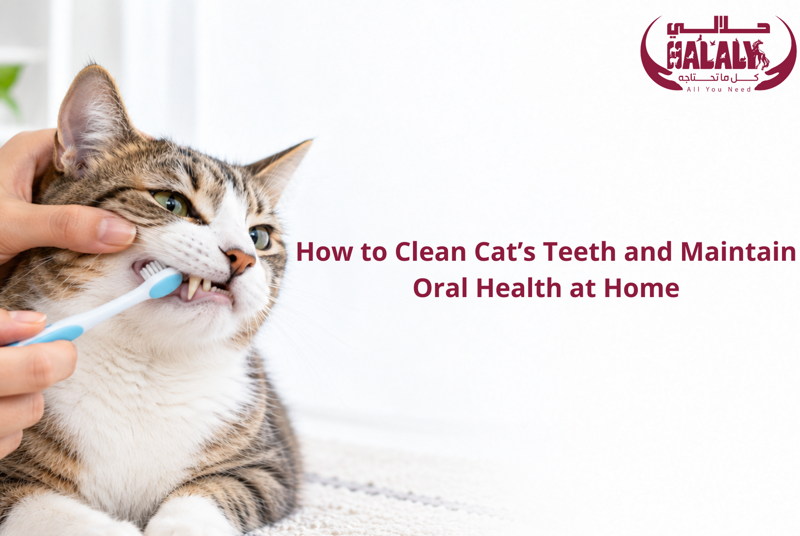
Cleaning your cats teeth should begin before unpleasant breath or visible tartar appears. Food particles and bacteria collect on the teeth and form a soft layer known as plaque. If plaque is not removed regularly, it can harden into tartar that cannot be removed with home brushing alone.
Regular home care can help reduce plaque buildup, improve your cat’s breath, and make oral examinations less stressful. However, home brushing does not replace veterinary care when there are signs of pain, inflammation, or hardened tartar. Home dental care is preventive and cannot replace professional diagnosis or treatment.
Why Is Cleaning Your Cat’s Teeth Important?
A cat may appear healthy despite having a painful oral problem. Cats are skilled at hiding discomfort and may continue eating even when they have inflamed gums or a painful tooth. For this reason, you should not wait for your cat to stop eating or develop severe bad breath before paying attention to its teeth.
Regularly cleaning your cat’s teeth helps remove plaque before it hardens. It also gives you an opportunity to notice changes in the gums or teeth at an early stage. Daily brushing is considered the most effective home method for reducing plaque, while veterinary examinations remain necessary for assessing problems below the gumline.
The Importance of Caring for Your Cat’s Teeth
Your cat’s teeth require regular attention just like every other part of its body, even when your cat appears to eat normally. Plaque does not remain a harmless layer. Over time, it may contribute to gingivitis, tartar buildup, and damage to the tissues surrounding the teeth.
A regular cat dental care routine can help:
-
Reduce plaque buildup.
-
Limit the development of tartar.
-
Improve bad breath caused by oral bacteria.
-
Identify broken or loose teeth early.
-
Detect redness or bleeding around the gums.
-
Help your cat become comfortable with oral examinations.
It is best to begin this routine when your cat is young, but adult cats can also be trained. The goal is not to clean the entire mouth during the first attempt. Instead, you should gradually create a calm experience that your cat can learn to tolerate.
Risks of Neglecting Dental Cleaning
Failing to clean your cat’s teeth may lead to a yellow or brown layer near the gums, along with unpleasant breath, redness, or swelling. If the inflammation continues, chewing may become painful, and your cat may begin dropping food or chewing on only one side of its mouth.
Possible consequences of poor dental care include:
-
Inflammation of the gums and surrounding tissues.
-
Oral pain and difficulty eating.
-
Loose teeth or tooth loss.
-
Abscesses or infections around the tooth roots.
-
Bleeding gums or excessive drooling.
-
The need for professional cleaning or tooth extraction.
Never try to scrape tartar from your cat’s teeth at home using a metal instrument. This could injure the gums, damage the tooth surface, and fail to clean the area below the gumline.
Signs of Dental Problems in Cats
You can briefly inspect your cat’s mouth when it is calm without forcing its mouth open. Gently lift the lip and examine the colour of the gums and the surface of the teeth while paying attention to breath, eating habits, and behaviour.
A minor change is not enough to diagnose a dental problem. However, these observations can help you recognise when cleaning your cat’s teeth at home is no longer appropriate and a veterinary examination is needed.
Causes of Bad Breath in Cats
There are several possible causes of bad breath in cats. A temporary smell may appear after eating strong-smelling food, but persistent or worsening breath requires attention, especially when accompanied by redness, tartar, or appetite changes.
Common causes of bad breath in cats include:
-
Food particles and plaque buildup.
-
Tartar on the teeth.
-
Gingivitis or periodontal disease.
-
An infected or damaged tooth.
-
Mouth ulcers or inflammation.
-
A foreign object trapped between the teeth.
-
Health conditions that do not begin in the mouth.
Strong breath should not be treated as normal or covered with breath-freshening products. A healthy cat’s breath should not be offensive, and persistent odour may indicate an oral or general health problem that requires examination.
Signs of Gingivitis and Tartar Buildup
Gingivitis often begins with redness along the gumline. Tartar may appear as a rough yellow or brown layer, particularly on the back teeth.
Watch for the following signs:
-
Red or swollen gums.
-
Bleeding when the mouth is touched or while eating.
-
Yellow or brown buildup on the teeth.
-
Excessive drooling.
-
Strong and persistent bad breath.
-
Dropping food from the mouth.
-
Chewing on one side.
-
Refusing dry or hard food.
-
Pawing at the mouth.
-
Behavioural changes or avoiding facial contact.
If these signs appear, do not begin an intensive brushing session. Brushing may cause pain and make your cat reject future dental care. Hardened tartar also requires professional removal.
The Best Way to Clean Your Cat’s Teeth
The best method involves patience, gradual training, and suitable dental products. You do not need to force your cat’s mouth fully open. Focus mainly on the outer surfaces of the teeth, where the teeth touch the cheeks and plaque commonly accumulates.
Clean your cat’s teeth when it is calm and relaxed, rather than immediately after play or when it is extremely hungry. Choose a quiet place and begin with short sessions lasting only a few seconds.
How to Help Your Cat Accept Toothbrushing
The training process can be divided into simple stages. Repeat each stage for several days, depending on your cat’s response:
-
Get your cat used to facial contact:
Gently stroke the cheeks and the area around the mouth, then offer a small reward. -
Lift the lip briefly:
Lift the lip on one side and look at the teeth without forcing the mouth open. -
Introduce the toothpaste:
Place a small amount of cat toothpaste on your finger and allow your cat to smell or lick it. -
Touch the teeth with your finger:
Once your cat accepts the toothpaste, gently rub your finger over the outer surfaces of the front teeth. -
Use a soft piece of gauze:
Wrap clean gauze around your finger and gently wipe the teeth before introducing a toothbrush. -
Introduce the toothbrush gradually:
Start with only a few teeth, then slowly increase the duration of each session.
If your cat moves away or shows obvious signs of stress, stop and try again later. The objective is to help your cat accept tooth cleaning, not to force it through a long session.
Steps for Cleaning Your Cat’s Teeth Safely
Once your cat accepts the dental products, follow these steps:
-
Prepare a soft toothbrush and toothpaste made for cats.
-
Sit beside or behind your cat in a comfortable position.
-
Gently lift the lip on one side.
-
Apply a small amount of toothpaste to the brush.
-
Move the brush in gentle circular motions across the outer tooth surfaces.
-
Focus on the area where the teeth meet the gums without applying strong pressure.
-
Clean only a few teeth at first instead of attempting the entire mouth.
-
Stop if your cat shows signs of pain or visible bleeding.
-
Reward your cat when the session is finished.
Your cat does not usually need to rinse its mouth when you use a veterinary toothpaste designed to be swallowed. Wash the toothbrush after every use and allow it to dry. Each cat in the household should have a separate toothbrush.
Cat Toothpaste
Successful dental care depends on more than the toothbrush. You must select a safe toothpaste that your cat can swallow in small quantities. Cat toothpaste is often available in pet-friendly flavours such as chicken, fish, or meat, which may make brushing easier.
A pleasant flavour does not mean that the toothpaste should be offered as a treat in large quantities. Use only a small amount to cover the toothbrush bristles, and follow the product instructions and your veterinarian’s recommendations.
How to Choose the Right Toothpaste
When selecting cat toothpaste, look for a product that:
-
Is clearly designed for cats or pets.
-
Is safe when swallowed in the recommended amount.
-
Does not contain ingredients unsuitable for animals.
-
Has a flavour your cat accepts.
-
Provides clear ingredient and usage information.
-
Comes from a reliable source and has a valid expiry date.
Try another flavour if your cat rejects the first product. The problem may be related to the smell or texture of the toothpaste rather than the tooth-cleaning process itself.
Dental wipes, gels, and other oral care products are also available, but they do not all work in the same way. If you plan to use an alternative to brushing, ask your veterinarian whether it is suitable for your cat.
Can You Use Human Toothpaste?
No. Never use human toothpaste to clean your cat’s teeth. Cats cannot spit out toothpaste or rinse their mouths like humans, so they are likely to swallow the ingredients during brushing.
Human toothpaste may contain foaming agents, flavourings, sweeteners, or other ingredients that are unsuitable for your cat’s digestive system. Baking soda and homemade mixtures containing salt or lemon should also be avoided. Always use toothpaste made specifically for pets.
Bad Breath in Cats
You may notice a mild smell after your cat eats, but it should fade. Strong or persistent bad breath should not be managed simply by changing the food or using a breath-freshening spray. Bad breath is a symptom rather than a disease on its own.
Begin by checking the teeth and gums and observing your cat’s eating habits, saliva, and behaviour. If there are no signs of pain or inflammation, you can improve your cat’s dental cleaning routine and continue monitoring the smell.
When Is the Smell Normal?
A mild and temporary smell may be associated with the type of food your cat has eaten, especially after wet food with a strong aroma. It may also occur immediately after waking and disappear shortly afterwards.
The smell may be less concerning when it:
-
Is mild and temporary.
-
Appears after eating and then disappears.
-
Is not accompanied by redness or bleeding.
-
Does not affect the cat’s eating habits.
-
Is not accompanied by discharge or excessive drooling.
-
Occurs while the teeth and gums appear healthy.
Even in these cases, regular tooth cleaning remains useful for preventing plaque buildup and stopping a mild smell from becoming a persistent problem.
When Does Bad Breath Indicate a Health Problem?
Bad breath requires veterinary attention when it is strong, appears suddenly, or continues despite proper dental care. Do not delay an examination if the smell is accompanied by difficulty eating, weight loss, lethargy, vomiting, or changes in drinking and urination.
The smell may be caused by an oral condition such as gingivitis, infection, or a damaged tooth. In some cases, it can be associated with a wider health condition, so the cause cannot be identified from the type of smell alone.
Do not give your cat antibiotics or human medication to hide the symptoms. Temporarily improving the smell does not mean that the underlying cause has been treated.
Tooth Decay in Cats
The term tooth decay in cats is often used to describe any damage or change affecting the teeth. However, cats do not always develop cavities in the same way humans do. Other dental conditions, such as periodontal disease and tooth resorption, are more common and may cause erosion, pain, or changes to the tooth surface.
For this reason, tooth decay in cats cannot be diagnosed through a photograph or a simple home examination. A veterinarian must examine the mouth, and some cases require dental X-rays to identify changes below the gumline.
Causes of Tooth Damage in Cats
The term tooth decay may be used to describe several different conditions. Factors and problems associated with damaged teeth include:
-
Long-term plaque and tartar buildup.
-
Inflammation of the gums and supporting tissues.
-
A fractured tooth caused by an accident or biting a hard object.
-
Tooth resorption, in which part of the tooth gradually breaks down.
-
Infection around a tooth root.
-
Misaligned teeth or retained baby teeth.
-
Injuries or chronic inflammation inside the mouth.
Cleaning your cat’s teeth cannot rebuild an eroded tooth or treat an infected root. Its main purpose is to support prevention and reduce plaque around healthy teeth.
Signs That Require a Veterinary Visit
Your cat should be examined by a veterinarian if you notice:
-
A broken or loose tooth.
-
Repeated bleeding from the gums.
-
Thick tartar covering the teeth.
-
Facial swelling or discharge.
-
Refusal to eat.
-
Difficulty chewing or swallowing.
-
Food falling from the mouth.
-
Sudden and severe bad breath.
-
Blood in the saliva.
-
Pain when the face or jaw is touched.
You should also visit the veterinarian if your cat suddenly resists cleaning a specific area after previously accepting it. This reaction may indicate pain rather than a behavioural problem.
Ways to Maintain Your Cat’s Dental Health
The best plan combines home tooth cleaning with regular veterinary examinations. No food or dental treat can remove hardened tartar or treat advanced inflammation, although suitable products may support a preventive dental care programme.
Begin with a simple routine that you can maintain rather than a demanding plan that ends after a few days. If your cat cannot tolerate a toothbrush, discuss suitable alternatives with your veterinarian.
Suitable Nutrition for Oral Health
Provide a complete and balanced diet that suits your cat’s age and health. Do not assume that every dry food automatically cleans the teeth. Some cats swallow dry food without chewing it sufficiently.
Certain veterinary diets are designed to support oral health through their texture, composition, or kibble size. However, they are not appropriate for every cat and cannot replace treatment when dental disease is already present. Your cat’s weight and any chronic conditions should also be considered before changing its diet.
Providing clean water is important for general health, but water alone will not remove plaque. Gentle contact with a toothbrush remains the most important part of a home dental cleaning routine.
Dental Toys and Treats
Dental treats and products designed for oral care can be used if they are suitable for cats and safe in size and hardness. Choose products with clear information and avoid bones or extremely hard objects that may fracture the teeth.
Dental products may help reduce plaque or tartar, but they work best alongside brushing rather than as a complete replacement. Certain dental diets, treats, gels, wipes, and water additives may support oral health when a cat does not tolerate regular brushing.
Include dental treats within your cat’s daily calorie allowance to prevent weight gain. If your cat has an allergy or chronic health condition, check the ingredients before using any new product.
Common Mistakes When Cleaning a Cat’s Teeth
Some actions can make your cat afraid of the toothbrush or cause pain, even when you are trying to help. The most important rule is that tooth cleaning should never become a physical struggle.
If today’s attempt is unsuccessful, the training process is not over. Return to an easier stage, such as touching the cheek or allowing your cat to taste the toothpaste, and then gradually move forward again.
Practices You Should Avoid
Avoid the following mistakes:
-
Using human toothpaste.
-
Forcing your cat’s mouth open.
-
Applying excessive pressure to the gums.
-
Attempting to remove tartar with a metal tool.
-
Using a large or hard-bristled toothbrush.
-
Starting with a long session on the first day.
-
Punishing your cat for refusing.
-
Using unverified homemade mixtures.
-
Brushing inflamed or painful teeth without an examination.
-
Relying on breath fresheners instead of treating the cause.
Do not give your cat an extremely hard treat in the hope that it will break down tartar. It may fracture the tooth instead. Replace the toothbrush if its bristles become worn or rough.
When Should You Avoid Cleaning Your Cat’s Teeth at Home?
Stop brushing and seek veterinary advice if your cat has visible bleeding, swelling, pain, heavy tartar, or a broken tooth. A toothbrush cannot treat these conditions and may make your cat more uncomfortable.
You should also avoid home brushing if your cat:
-
Has ulcers inside the mouth.
-
Refuses food or water.
-
Cries or tries to bite when its face is touched.
-
Has undergone oral surgery and the veterinarian has not approved brushing.
-
Has a recent jaw injury.
-
Has facial swelling.
-
Has severe gingivitis.
If your cat has received professional cleaning or undergone a tooth extraction, follow the veterinarian’s instructions about when to restart home dental care.
How Often Should You Clean Your Cat’s Teeth?
Daily brushing is the best option for reducing plaque buildup. If this is not possible at first, begin with several sessions each week and gradually work towards a more regular routine.
The session does not need to be long. Gently cleaning the outer surfaces of the teeth is more useful than forcing the mouth open to reach every area. Consistency is more important than the length of each session.
If your cat refuses a toothbrush completely, ask your veterinarian about suitable alternatives such as dental wipes, gels, dental diets, or oral care treats.
Do All Cats Need Their Teeth Cleaned?
Most healthy cats benefit from regular dental care, whether they are kittens, adults, or indoor-only cats. Living indoors does not prevent plaque buildup or gum disease.
However, the most suitable cleaning method may vary according to age and health. Cats with painful teeth or inflamed gums need examination and treatment before brushing begins, while healthy cats can follow a gradual preventive routine.
Even a cat that eats a dental diet still needs regular monitoring of its teeth and gums, along with routine veterinary examinations.
How Can I Safely Get Rid of Bad Breath in Cats?
Begin by observing how long the smell lasts and whether it is connected to meals. Gently lift your cat’s lip and look for redness, tartar, or a broken tooth. You should also monitor appetite and chewing behaviour.
If the mouth appears healthy and the smell is mild, improve your cat’s dental routine using a soft toothbrush and cat toothpaste. Clean the food and water bowls regularly and make sure no food remains around the mouth.
If your cat’s breath is strong or persistent, or if it is accompanied by pain or changes in eating, do not try to hide it with a breath-freshening product. The underlying cause requires diagnosis and treatment, and your cat may need professional dental cleaning or care for another health condition.
Daily dental care helps protect your cat’s teeth and reduce plaque and unpleasant breath. A successful routine begins with safe products, gradual training, and careful observation of unusual signs. Visit Halalys to choose suitable cat dental care supplies, including toothbrushes, cat toothpaste, and daily hygiene products, and begin a simple routine that supports your cat’s comfort and oral health.