






















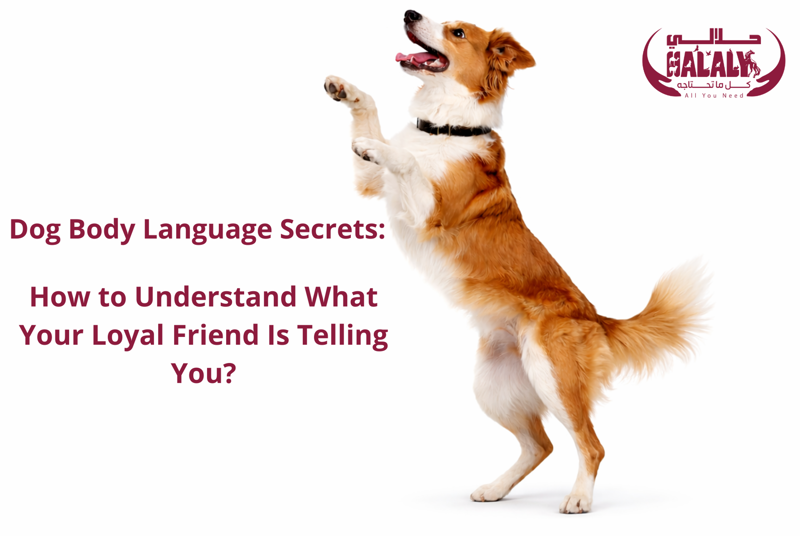
Have you ever felt like your dog is trying to tell you something, but you just can't quite grasp it? The truth is, dogs don't speak with words; they use a complex system of physical signals to communicate with us and the world around them. Dog body language is the primary way they express their feelings, whether they are experiencing overwhelming joy, stress, or even a desire to play. Mastering this art will make your relationship with your pet deeper and safer.
Why Is Understanding Dog Body Language Important for Every Owner?
Understanding dog body language isn't just an extra skill; it’s a necessity for protecting the dog and those around them. When you learn to read your dog’s movements, you’ll be able to intervene before a fight breaks out with another dog or know when your dog needs space because they feel pressured. Many cases of "sudden biting" aren't actually sudden; they are the result of ignoring a long series of silent warnings the dog gave that the owner failed to understand.
Furthermore, effective communication builds mutual trust. Imagine being in a foreign country where no one understands your language, and suddenly you find someone who interprets your signals and meets your needs; this is exactly how a dog feels when its owner understands dog movements and their meanings. This understanding reduces the dog's frustration and increases its responsiveness to training, as communication becomes based on mutual respect rather than just commands.
Facial Signals in Dogs
The face is a mirror of emotions in dogs, just as it is in humans, but with entirely different details. Dogs possess complex facial muscles that allow them to change the shape of their eyes, mouth, and ears to send precise messages. Observing the face is the first step in decoding dog body language and understanding their current psychological state.
Ear Movement and Its Meaning
Ears are among the most expressive parts of a dog's body. When the ears are in their natural, relaxed position, it means the dog is calm. However, if the ears are pointed forward and upright, it indicates interest or focus on something, and can be a sign of confidence or even dominance in certain situations.
Conversely, when a dog pulls its ears back and pins them against its head, it’s a clear sign of fear or submission. The more tightly the ears are pinned, the higher the level of anxiety the dog is feeling. It’s vital to notice this change in dog body language, especially when dealing with strangers, as ears pinned back can often precede a defensive reaction.
Eye Expressions and Gaze
Eyes say a lot in the canine world. "Soft" or relaxed eyes that appear in their natural shape indicate the dog feels safe. However, if you notice dilated pupils or a dog staring intensely without blinking, this could be a threat or a sign of high tension. A direct stare in dog language can be interpreted as a challenge.
There is also what is known as "Whale Eye," which is when the white of the eye is clearly visible because the dog moves its eyes without moving its head. This movement is a core part of dog body language expressing extreme stress, fear, or guarding something (like food or a toy). If you see this look, it’s best to give the dog space and back away immediately.
Opening the Mouth, Panting, and Baring Teeth
Panting isn't just about the dog being hot; it can also be an expression of stress. A relaxed, slightly open mouth with a lolling tongue reflects a happy and comfortable dog. But if the mouth is tightly shut and the lips are tensed, it means the dog is on alert or cautiously watching something.
Regarding baring teeth, a distinction must be made between a "submissive grin" and a warning snarl. In a grin, the dog lifts its lips upward to show the front teeth, often accompanied by a lowered body and a low-wagging tail—this is an appeasement signal. However, if the lips are pulled back horizontally while emitting a low sound, this is part of the silent dog barking interpretation and a clear warning that the dog may bite if provoked further.
Tail Language and Body Posture
The tail is the most famous part of dog body language, but it is also the most misunderstood. Many believe a wagging tail always means happiness—this is a common mistake that can lead to unfortunate consequences. The tail acts as an indicator of energy and arousal levels, not just the type of emotion.
Tail Wagging: Does It Always Mean Happiness?
The truth is that a wagging tail simply means the dog is emotionally "engaged." To understand the true meaning within dog tail language, you must look at the speed, direction, and height of the wag. A tail wagging slowly in a low position may mean the dog feels insecure or hesitant. A tail wagging vigorously enough that the whole body moves with it is the true expression of pure joy.
However, if the tail is held very high and stiff with rapid, short vibrations (resembling an electric tremor), it indicates the dog is in a state of high arousal and may be about to attack or react aggressively. Monitoring dog tail language requires a holistic view of the rest of the body; a high, stiff tail with a tensed body is a danger sign, not an invitation to play.
Body Posture (Bowing, Stiffening, Relaxing)
The general body shape gives an immediate impression of the dog's state. A relaxed dog will have loose muscles and fluid movements. A fearful dog, on the other hand, will try to look "smaller" by lowering its body toward the ground or arching its back. These postures are the essence of dog movements and their meanings that express submission or a desire to avoid conflict.
On the flip side, a dog trying to show dominance or feeling threatened will tend to make itself look "larger." You’ll find its muscles stiff, chest pushed forward, and it may stand on its tiptoes. A sudden body "freeze" is one of the most dangerous signals in dog body language, as it is often the moment just before an attack while the dog evaluates its target.
Lying on the Ground or Raising a Paw
When a dog lies on its back and exposes its belly, it is often a sign of total trust and comfort. In other contexts, it may be extreme submission intended to appease a person or another animal. It’s a message saying, "I am not a threat."
Raising a front paw and placing it on your hand or knee can be a plea for attention or a sign of mild anxiety and a request for reassurance. Sometimes, dogs use the paw lift as a playful invitation within the context of friendly dog body language. It is essential to monitor the eyes and tail alongside this movement to determine if the dog wants to play or is feeling confused.
Signals of Stress, Fear, and Aggression
Dogs are not naturally prone to conflict and often go to great lengths to avoid fights by sending "calming signals." These signals are a vital part of dog body language; if caught early, we can prevent a situation from escalating into overt aggression.
Signs of Anxiety and Stress
Signs of stress can appear subtly, making them hard for a novice owner to spot. Among the most famous signs are "yawning" when the dog isn't tired, or frequent "lip licking" in the absence of food. These movements are biological ways the dog tries to soothe itself and relieve the nervous pressure it feels.
Additionally, "shaking off" (as if the dog were wet) after a specific social encounter is a way to shed physical tension. If you notice your dog doing these movements frequently, it means they are being exposed to situations beyond their coping capacity. Your understanding of dog body language here helps you change the environment to make them more comfortable.
Warning Signs Before a Bite
A dog rarely bites without prior warning. Warnings usually begin with body stiffening, followed by staring, and then low growling. If these signals aren't respected, the dog may resort to an "Air Snap"—snapping at the air near the person without touching them—as a final message to stay away.
This sequence of dog movements and their meanings is the dog’s way of defensive communication. Ignoring these signs or punishing a dog for "growling" is a grave mistake; by doing so, you teach the dog that warning doesn't work, which may drive them to bite directly next time without warning. Growling is actually a good communication tool telling you the dog has reached its limit.
How to Act When Noticing These Signals?
If you see signs of stress or aggression in dog body language, the most important rule is: Do not confront the dog. Do not yell or try to force submission, as this will increase their fear and, consequently, their aggression. Instead, increase the distance between the dog and the source of its distress.
Stop whatever you were doing (such as touching or approaching) and look away to ease the pressure. By understanding the dog barking interpretation charged with tension and analyzing their movements, you can guide the dog to a quiet place to calm down. The goal is always to de-escalate, not to enter a power struggle.
Signals of Play and Happiness
On the bright side, dogs have wonderful ways of expressing their delight and desire for positive interaction. When a dog is happy, its movements are circular, flexible, and non-stiff, making spotting happiness in dog body language a joy for the owner.
The Play Bow
The "Play Bow" is one of the most famous universal signals in the dog world. In this position, the dog lowers its front end while keeping its rear end up, often accompanied by a fast tail wag and a mischievous look. This signal is the dog’s way of saying: "Everything I’m about to do now is just a joke and for fun."
This posture is very important because it sets the context for any vigorous movements that might follow, such as fast running or jumping. In dog body language, this bow acts as a "peace treaty" ensuring the other party understands the coming chase is not a real attack.
Jumping and Spinning with Excitement
When an owner returns home, the dog often greets them by jumping or spinning in circles. These movements express a high level of positive excitement. Dogs use their entire bodies to express joy; you’ll notice the dog’s spine curving easily left and right with the tail wag—often called the "wiggle butt."
Understanding dog movements and their meanings in these moments helps you direct the dog's energy. If jumping is undesirable, you can teach them to express joy by keeping their paws on the floor while continuing to wag their tail, ensuring communication remains fun without being a nuisance.
Sounds Associated with Play
Play isn't limited to movement; sounds also play a complementary role. High-pitched, intermittent barking, or a "play growl"—which sounds very different from a danger growl—is part of the dog barking interpretation in the context of fun. These sounds are usually accompanied by a flexible body and sudden, quick movements.
It’s important to distinguish between types of sounds; short, repetitive high-pitched barks are usually a call for attention or play. Meanwhile, deep, continuous barking may indicate an alarm. Linking the sound to dog body language is the true key to understanding what's on your pet's mind.
You can use the interactive mouse toy from the Halalys store to help your dog focus and interact with their surroundings.
How to Develop Your Ability to Understand Your Dog's Body Language?
Developing this skill takes time, patience, and careful observation. Dogs are highly social creatures; they observe us constantly and understand our body language amazingly well, so it’s only fair we put in similar effort to understand theirs.
Monitoring Context and Situation
No movement in dog body language can be interpreted in isolation from context. For example, panting on a hot day after a run is normal, but panting in a cool, quiet room is a strong signal of stress. Always ask yourself: What is happening around the dog right now?
When analyzing dog tail language, look at the environment. Is there a strange dog? Are there loud noises? Context determines whether a tail wag stems from excitement to meet a friend or suspicion of a stranger. A successful owner links the signal to the event.
Difference Between Fleeting and Repeated Behavior
You must distinguish between a spontaneous movement and a repetitive behavior that reflects a chronic psychological state. If a dog licks its lips once after eating, that's normal. If it does so constantly in specific situations, it's a clear message in dog body language indicating discomfort.
Continuous observation helps you know your dog's "Baseline." Every dog has a unique personality; what one dog considers a stress signal might be normal for another. Knowing the fine details of dog movements and their meanings specific to your dog is what makes the difference.
A lack of stimulation leads to destructive behaviors or chronic anxiety, so try using stimulating interactive toys for pets.
Tips for Building a Better Relationship with Your Dog
Building a strong relationship starts with respecting the dog's personal space. When you notice signs of fatigue or a desire to move away through dog body language, give them that. Don’t force your dog to interact with others if they show signs of fear; this makes them trust that you will protect them and not put them in embarrassing situations.
Always use positive reinforcement. When your dog communicates with calm and friendly body language, reward them with praise or a treat. Remember that communication is a two-way street; the more you understand the dog barking interpretation and their movements, the more your dog will feel safe and psychologically stable with you.
The journey of understanding your loyal friend begins with their eyes and ends with the tip of their tail. Always remember that every small movement has a meaning, and every look is an encrypted message waiting for you to decode. If you seek to provide the best possible life for your pet, education and knowledge are the shortest paths.
For more information on pet care and providing the best products and solutions for their comfort, do not hesitate to visit Halalys. We are here to be your partner in your pet-raising journey, offering everything you need to build a relationship based on love and deep understanding. Invest in understanding dog body language today, for a friendship that lasts a lifetime.