






















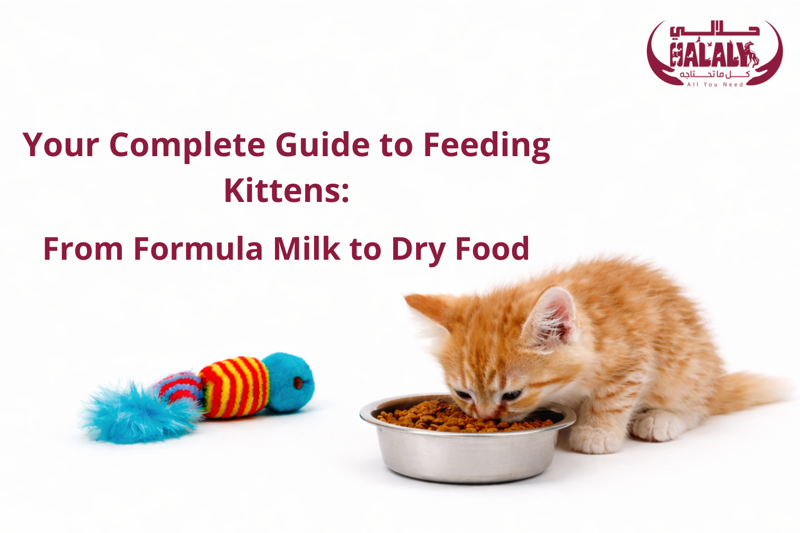
Feeding kittens is not just about choosing a type of food and placing it in a bowl; it is the foundation of their lifelong health. During the first weeks of a kitten’s life, every bite affects bone growth, organ development, and immune strength. Understanding proper kitten nutrition means protecting your little cat from future health problems that may be difficult to treat later.
Many new pet owners feel confused between kitten nursing, the weaning stage, and which food is suitable for each phase. Some choose food randomly, while others rely on conflicting advice found online. Here, you’ll find a practical and detailed guide to help you make clear and informed decisions about kitten feeding step by step.
The Importance of Proper Nutrition for Kittens
Healthy kitten care starts with proper nutrition. A tiny body that weighs only a few hundred grams at birth requires a carefully balanced diet to support rapid growth.
When we talk about feeding kittens, we don’t just mean satisfying hunger. We mean providing high-quality proteins, healthy fats, vitamins, and minerals in balanced proportions. Any deficiency during the first months can lead to weakened immunity or delayed growth.
The Impact of Nutrition on Growth and Immunity
Growth during the first six months is extremely rapid. Bones develop, muscles strengthen, and teeth begin to emerge. This is where balanced kitten nutrition becomes crucial, as it requires a higher protein percentage compared to adult cat food.
Animal protein is the most important component because it supports tissue and muscle development. Healthy fats provide the energy needed for play and movement, making them essential in raising kittens properly.
In terms of immunity, kittens are more vulnerable to illness, especially after the nursing stage ends. Without a diet rich in vitamins such as A and E, and minerals like zinc and iron, you may notice weakness, lethargy, or recurring infections.
Stages of Kitten Feeding by Age
Feeding kittens varies depending on their age. A one-week-old kitten cannot be treated the same as a two-month-old one. Each stage has its own nutritional needs.
Understanding these stages makes it easier to organize meals and choose the right type of food without causing digestive problems or nutritional deficiencies.
Feeding Kittens from Birth Until Weaning
During the first four weeks, kittens rely entirely on nursing from their mother. Mother’s milk provides antibodies that strengthen immunity, along with essential fats and proteins for growth.
If the kitten is orphaned, a kitten-specific milk replacer must be used instead of cow’s milk. Cow’s milk can cause severe diarrhea because it does not match a kitten’s digestive system.
During this stage, solid food should not be introduced. Focus on regular feeding every two to four hours, depending on age, and monitor weight daily to ensure healthy growth.
Around four weeks of age, the weaning stage gradually begins. At this point, you can introduce specially formulated wet food mixed with a small amount of milk replacer to make it easier to eat.
Feeding Kittens After Weaning
Once weaning is complete, usually between six to eight weeks, kittens can rely fully on solid food. At this stage, kitten feeding shifts to include high-quality dry food formulated for kittens or premium wet food.
Choosing the best dry food for kittens should depend on having animal protein listed as the first ingredient, rather than grains or by-products. It is also preferable for the food to contain omega-3 fatty acids to support brain and vision development.
Meals should be divided into several small portions per day since their stomachs are still small and digestion is fast.
You can also purchase Royal Canin Mother & Babycat from the Halali store.
Best Types of Food for Kittens
When discussing feeding kittens, a common question arises: should you choose dry or wet food? The answer depends on your kitten’s needs and your lifestyle.
It is important that the food is specifically labeled for kittens (Kitten Formula), as its nutritional composition differs significantly from adult cat food.
Dry Food or Wet Food: Which Is Better?
Dry food is easy to store and can help support dental health to some extent. The best dry food for kittens is typically calorie-dense to meet their rapid growth needs.
Wet food, on the other hand, has a higher moisture content, which helps maintain hydration—especially if your kitten does not drink much water.
You can combine both types within a balanced kitten feeding plan, while monitoring stool quality and appetite for any changes.
Essential Nutrients for Kittens
To ensure balanced kitten nutrition, their food should include:
-
High-quality animal protein (chicken, beef, fish)
-
Healthy fats as an energy source
-
Balanced calcium and phosphorus for bone development
-
Taurine, an essential amino acid for heart and eye health
-
Vitamins and minerals to support immunity
Any deficiency in these nutrients may affect proper kitten development and lead to long-term health issues.
To provide a balanced and safe nutritional system, you can use Royal Canin complete kitten food, which covers all their dietary needs.
Number and Quantity of Meals for Kittens
Meal scheduling is a key part of feeding kittens. A small kitten cannot eat large portions at once, so frequent meals are necessary.
During the early months, you can offer 4 to 5 meals per day. After four months, meals can be reduced to three per day. As the kitten approaches one year of age, you can transition to two meals daily.
Daily Feeding Schedule by Age
-
0 to 4 weeks: Nursing every 2–4 hours
-
4 to 8 weeks: Wet food mixed with milk replacer, 4 times daily
-
2 to 4 months: Dry food formulated for kittens, 4 small meals
-
4 to 6 months: 3 meals daily with weight monitoring
Following a consistent schedule supports healthy habits and reduces the risk of early obesity.
Common Mistakes in Feeding Kittens
One of the biggest challenges for pet owners is relying on inaccurate information. Some mistakes may seem minor but can directly impact a kitten’s health.
A common mistake is offering table scraps or assuming that any food safe for humans is safe for cats.
Foods That Are Dangerous for Kittens
The following foods must be strictly avoided when feeding kittens:
-
Chocolate
-
Onions and garlic
-
Grapes and raisins
-
Salty or heavily seasoned foods
-
Cooked chicken bones
These foods can cause severe poisoning or digestive blockages. It is always best to focus on safe, specially formulated kitten food within a well-planned feeding routine.
Feeding kittens requires awareness and attention to detail, as each stage of life comes with different needs. If you are looking for reliable products and high-quality food to support proper kitten nutrition, visit Halalys You’ll find a variety of options suitable for every age stage, along with detailed descriptions to help you choose confidently. Start today and give your kitten the healthy beginning it deserves.