

























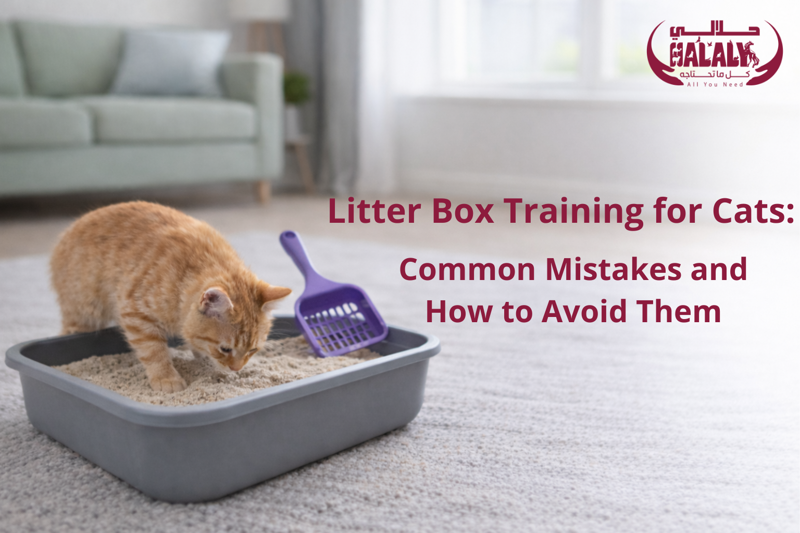
Ignoring litter box training for cats in the early days can open the door to behavioral issues that become difficult to fix later. Cats are naturally clean animals, but they still need clear guidance and a suitable place to understand where to relieve themselves. That’s where the journey of litter box training for cats begins calmly, correctly, and without stress for either of you.
Many people assume cats “instinctively” know how to use a litter box. That’s partially true, but without the right environment and a thoughtful choice of location and litter, problems like a cat peeing outside the box can appear quickly. Understanding the basics of cat toilet training is just as important as choosing the right food or scheduling veterinary visits.
Why Is Litter Box Training for Cats Essential?
Litter box training for cats is not just about keeping your home clean; it is fundamental to your cat’s behavioral and emotional stability. When cat toilet training is done early and properly, the chances of unwanted behaviors—such as peeing outside the box or choosing random spots around the house—are greatly reduced.
Cats rely heavily on routine. Having a fixed litter box in a consistent location gives them a sense of security. Teaching cats where to go creates a positive association between comfort and the correct place.
Early litter box training for cats also protects furniture, carpets, and hidden corners from becoming undesirable alternatives. The more structured and consistent the training, the smoother and more natural the process becomes.
When Should You Start Litter Box Training?
The ideal time to begin litter box training for cats is between 3 to 4 weeks of age, when kittens start becoming independent from their mother. At this stage, training kittens to use the litter box is much easier because they are still learning from their surroundings.
If you adopt an adult cat, cat toilet training may require a bit more patience, but it is absolutely possible. Understanding the cat’s background is key: Was it previously accustomed to a litter box? Did it have a negative experience? These details can significantly impact the success of litter box training for cats.
Choosing the Right Litter Box
Successful litter box training for cats starts with selecting the right box. An unsuitable litter box can disrupt the entire process, even if your training steps are correct.
Size comes first. The box should be about one and a half times the length of your cat. Cats need enough space to turn around and dig comfortably. A box that is too small may lead to a cat peeing outside the box simply because it feels cramped.
The type of box also matters. There are open boxes, covered boxes, and advanced options like a self-cleaning litter box. While a self-cleaning litter box can be convenient for busy households, it doesn’t suit every cat. Some cats are frightened by mechanical noises or automatic movement, which can interfere with litter box training for cats rather than help it.
The Right Size and Placement
Placing the litter box in a quiet, low-traffic area is essential. Avoid putting it near washing machines or in busy hallways. Cats need privacy when relieving themselves, and stress can easily lead to a cat peeing outside the box.
It’s also best not to place the litter box near food and water bowls. Cats instinctively separate eating and elimination areas. This small detail plays a big role in successful cat toilet training.
In larger homes or multi-level houses, it’s recommended to have more than one litter box. A common rule is: number of boxes = number of cats + one. This reduces competition and supports smoother litter box training for cats.
Choosing the Right Litter
The type of litter is just as important as the box itself. Some cats prefer fine, clumping litter, while others dislike strong artificial scents. If your cat is peeing outside the box despite it being clean, the litter type may be the reason.
Start with unscented, soft-textured litter. Then observe your cat’s response. Successful litter box training for cats depends on your cat feeling comfortable while digging. Coarse or large-grain litter may irritate their paws.
If you’re using a self-cleaning litter box, make sure the litter type is compatible with the mechanism. Using the wrong type can cause malfunctions or discourage your cat from using it.
Steps for Litter Box Training for Cats
Now let’s move to practical application. Litter box training for cats should never involve punishment. It relies on positive guidance and observation.
-
Place your cat in the litter box after meals.
-
Watch for signs such as sniffing or circling.
-
If the cat uses the box successfully, offer gentle praise or a small reward.
Repeating these steps strengthens cat toilet training quickly. Consistency is key—avoid frequently changing the box location.
Initial Training for Kittens
During kitten litter box training, you may need to place the kitten inside the litter box several times a day. Don’t expect perfection on the first day.
If accidents happen outside the box, clean the area thoroughly with an enzymatic cleaner. Lingering odor may encourage the cat to pee outside the box again.
Remember, patience is essential. Yelling or punishment creates stress and may cause complete rejection of the litter box.
Training Adult or Newly Adopted Cats
When adopting a new cat, start by confining it to a smaller area that includes food, water, and a litter box. This makes it easier to teach cats where to go initially.
Ask the shelter or previous owner about the type of litter used before. A sudden change can disrupt litter box training for cats.
If the cat continues peeing outside the box, pay attention to timing. Does it happen after a stressful event? A guest visit? Furniture rearrangement? These details matter.
Common Mistakes That Hinder Litter Box Training for Cats
One of the biggest mistakes is neglecting cleanliness. A dirty box quickly drives a cat to look for alternatives. Even a self-cleaning litter box requires regular emptying and maintenance.
Another mistake is constantly moving the box. Litter box training for cats depends on stability. Frequent relocation can confuse your cat.
Cleanliness and Placement Issues
If your cat is peeing outside the box despite proper training, check cleanliness first. Some cats refuse to use a box unless it’s scooped at least twice daily.
Placing the box in an overly exposed area can also make a cat feel unsafe. This directly affects the success of cat toilet training.
To keep the area tidy, you can use a litter mat placed in front of the box to prevent litter from scattering around the house.
Stress or Environmental Changes
Moving to a new home, welcoming a baby, or introducing another pet can cause temporary setbacks. In these situations, calmly restart litter box training for cats.
You may need to add another box or return to a previously preferred litter type. The goal is to reduce triggers that lead to a cat peeing outside the box.
What If Your Cat Refuses to Use the Litter Box?
First, don’t assume your cat is being stubborn. Refusal usually has a clear cause. Review cleanliness, litter type, placement, and the number of boxes.
If the problem persists, there may be a negative association with the box itself. Try changing the box style or temporarily switching from a self-cleaning litter box if your cat seems intimidated by it.
Rebuilding a positive experience is the foundation of successful litter box training for cats again.
When Is It a Medical Issue?
If peeing outside the box is accompanied by signs of pain, frequent meowing, blood in urine, or frequent small urinations, the issue may not be behavioral.
Urinary tract infections or bladder problems could be the cause. In such cases, a veterinary visit should not be delayed. After treatment, calmly resume litter box training for cats.
Litter box training for cats is a short and manageable journey when you understand the fundamentals and use a calm, structured approach. Every cat is different, but the rule remains the same: a comfortable environment, a suitable litter box, and plenty of patience.
If you’re looking for reliable tools, safe litter types, or the right self-cleaning litter box for your cat, visit Halalys today and choose what best suits your pet’s needs.