






















Has your dog’s coat suddenly changed? Have you started noticing bald spots where there were none before? That’s when real concern begins, because the causes of dog hair loss are not always as simple as some people think. Sometimes it’s natural and temporary, and other times it can be a warning sign of a health issue that requires quick intervention.
The key is to understand the full picture: Is it just a seasonal shedding cycle? Or is there an internal imbalance or external factor affecting skin health? In this comprehensive guide, we’ll explore in detail the causes of dog hair loss, how to distinguish between normal shedding and a medical issue, and the most suitable treatment for dog hair loss based on each cause.
What Is Dog Hair Loss and When Is It Normal?
Before searching for the cause of dog hair loss, you should know that dogs like humans go through natural hair renewal cycles. Shedding can be completely normal, especially during spring and autumn when the coat changes in response to temperature shifts.
Normal shedding is characterized by:
-
Even distribution across the body
-
No redness or severe itching
-
No clear bald patches
In this case, the causes of dog hair loss are not medical but part of the dog’s natural biology.
The problem begins when shedding turns into noticeable hair loss with bald spots, flaking skin, or persistent itching. At this point, identifying the cause of dog hair loss becomes essential, not optional.
The Difference Between Seasonal Shedding and a Health Problem
Seasonal shedding happens gradually, lasts a few weeks, then stops. However, when itching and hair loss in dogs are caused by medical issues, you may notice:
-
Excessive itching and constant scratching
-
Hairless patches
-
Redness or inflammation
-
Unusual skin odor
The main difference is that normal shedding does not cause pain or discomfort, while medical conditions come with clear symptoms. Careful observation plays a crucial role here.
Common Causes of Dog Hair Loss
Beyond natural shedding, the causes of dog hair loss can be varied and complex. Some are simple and easy to treat, while others require close veterinary follow-up.
Poor Nutrition and Vitamin Deficiency
An unbalanced diet is one of the most common causes of dog hair loss. A dog’s coat is a reflection of its internal health. When your dog lacks protein, Omega-3 and Omega-6 fatty acids, or zinc, the hair weakens and begins to fall out.
Signs of nutritional deficiency include:
-
Dull, rough coat
-
Slow regrowth
-
Increased shedding with dry skin
In such cases, treatment for dog hair loss can be relatively simple: improve the diet, add appropriate supplements under veterinary supervision, and choose high-quality food.
Parasites and Skin Allergies
Among the most serious causes of itching and hair loss in dogs are fleas, mites, or allergies to certain foods or environmental substances.
An affected dog may:
-
Bite itself repeatedly
-
Scratch specific areas constantly
-
Lose hair around the ears or tail
Some parasites are invisible to the naked eye but cause severe irritation that leads to hair loss. Identifying the exact cause of dog hair loss is critical to prevent the condition from worsening.
Skin Infections and Fungal Diseases
Fungal infections like ringworm are major causes of dog hair loss and often appear as circular bald patches.
Bacterial infections may also cause:
-
Redness
-
Discharge
-
Unpleasant odor
In these cases, home care is not enough. Proper treatment for dog hair loss may require topical or oral medications based on a veterinary diagnosis.
Hormonal Changes and Internal Diseases
Some dogs suffer from hormonal disorders such as hypothyroidism or Cushing’s disease. These are among the most serious causes of dog hair loss because they are linked to internal body functions.
Accompanying signs may include:
-
Unexplained weight gain
-
Lethargy
-
Symmetrical hair loss on both sides of the body
Here, the cause of dog hair loss is internal, and treatment requires blood tests and a long-term management plan.
External Factors That Cause Dog Hair Loss
Not all hair loss is due to disease. Sometimes environmental factors play a significant role in the causes of dog hair loss.
Stress and Psychological Pressure
Dogs are highly sensitive to changes. Moving to a new home, introducing a new pet, or the owner’s long absence can all be causes of itching and hair loss in dogs due to stress.
Stress may lead to:
-
Excessive licking
-
Chewing paws
-
Localized hair loss
In this case, the solution is often behavioral rather than medical.
Incorrect Bathing or Inappropriate Products
Overbathing or using human shampoo is a common yet overlooked cause of dog hair loss.
A dog’s skin has a different pH balance than humans. Using unsuitable products can cause:
-
Dryness
-
Irritation
-
Hair breakage
Simply adjusting the grooming routine may resolve the real cause of dog hair loss without you realizing it.
When Is Dog Hair Loss Dangerous?
Some cases require immediate action, as delays may lead to complications.
Signs That Require a Vet Visit
Consult a veterinarian immediately if you notice:
-
Rapidly expanding bald patches
-
Discharge or pus
-
Fever
-
Loss of appetite
-
Noticeable lethargy
These signs indicate that the causes of dog hair loss may be linked to infection or internal disease requiring urgent diagnosis.
How to Reduce Dog Hair Loss and Care for the Coat
Prevention is always easier than treatment. Once you understand the causes of dog hair loss, you can take practical steps to minimize the issue.
Proper Nutrition and Grooming Routine
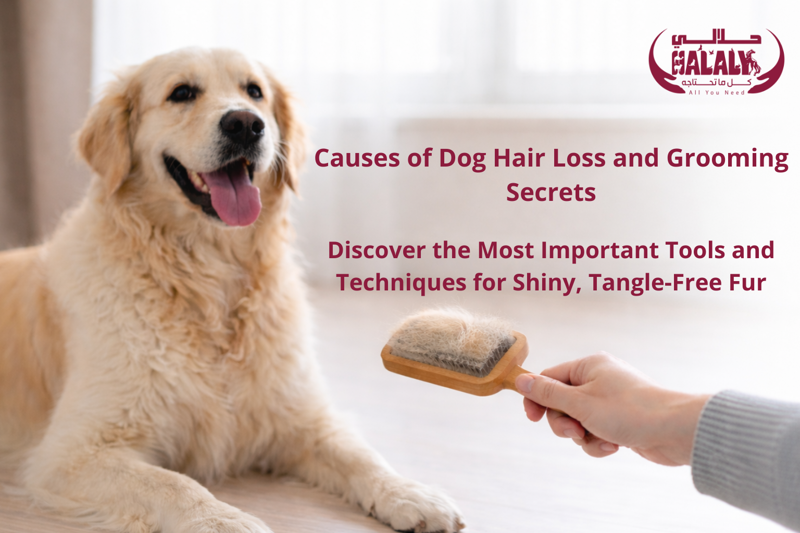
Choose food rich in animal protein and add Omega supplements after consulting your vet. Brush your dog regularly to stimulate circulation and remove dead hair.
A consistent routine reduces the need for future treatment for dog hair loss.
The Role of Shampoo and Proper Treatments
Use shampoo specifically designed for dogs and avoid overbathing. If allergies or fungal infections are present, strictly follow the prescribed veterinary treatment.
Remember, ignoring the cause of dog hair loss can turn a minor issue into a chronic condition.
Caring for your dog’s coat is not just about appearance it’s a true indicator of overall health. The earlier you identify the causes of dog hair loss, the easier and faster it is to manage, sparing both you and your pet unnecessary suffering.
If you’re looking for high-quality grooming products, balanced nutrition, and trusted supplements to help treat and prevent dog hair loss, visit Halalys today and choose what best supports your dog’s healthy coat.