

























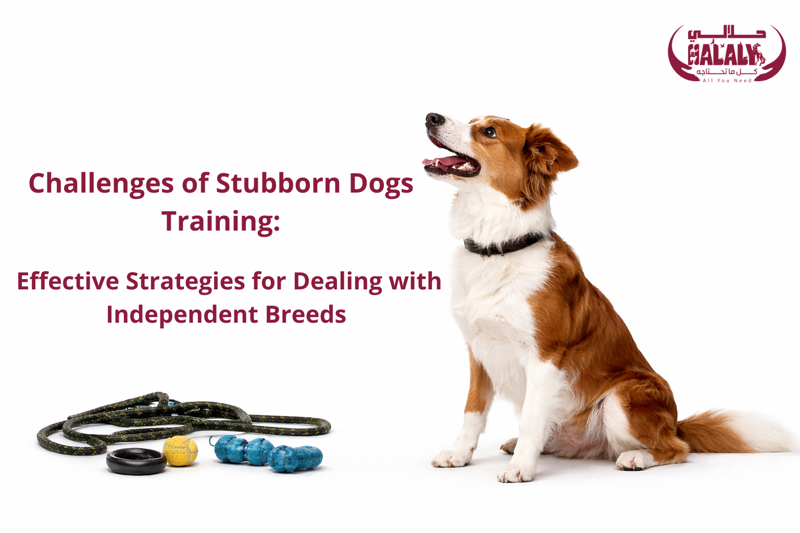
When we talk about Dogs Training, most people imagine a Golden Retriever eagerly waiting for a command. But what happens when your furry friend is a Siberian Husky, an Akita, or a stubborn Terrier? These independent breeds don’t just follow orders; they question them. Mastering Dogs Training for such breeds requires a shift in perspective. You aren't just a teacher; you are a negotiator. Understanding that "stubbornness" is often just high intelligence or independence is the first step toward a successful relationship.
Why Dogs Training is Different for Stubborn Breeds
The truth is, Dogs Training isn't a "one size fits all" process. For independent breeds, the traditional methods might not always click. These dogs were often bred for tasks that required them to work away from humans, making decisions on their own. Therefore, when you start Dogs Training, you might feel like your dog is ignoring you, but in reality, they are simply weighing their options. Is the treat worth the effort of sitting? Is the squirrel more interesting than your call?
This is where the art of Raising Dogs with strong personalities comes into play. It requires a deep understanding of what motivates them. If you approach Dogs Training with a heavy hand or a lack of patience, an independent dog will simply shut down or become more defiant. The goal is to make them want to work with you, turning the training session into a cooperative game rather than a series of demands.
Understanding the Mindset of an Independent Dog
To excel at Dogs Training, you must look at the world through your dog's eyes. Independent breeds are often "what’s in it for me?" thinkers. Unlike people-pleasing breeds, they don't always find a "good boy" sufficient as a reward. In the early stages of Teaching Dogs with this mindset, you have to be more interesting than the environment.
Success in Raising Dogs that are naturally stubborn depends on your ability to remain calm and consistent. If you let them win a "battle of wills" once, they will remember it. This doesn't mean being aggressive; it means being persistent. Dogs Training for these breeds is about outlasting their stubbornness with gentle but firm guidance.
The Connection Between Training and Daily Dog Care
We often think of training as a separate activity, but it is deeply intertwined with Dog Care. A dog that is physically uncomfortable, bored, or poorly fed will be significantly harder to train. Proper Dog Care includes providing enough mental stimulation to prevent the "boredom-induced stubbornness" that often plagues high-intelligence breeds.
When a dog’s basic needs are met—exercise, nutrition, and health—they are in a much better mental state for Dogs Training. An independent dog with too much pent-up energy will never focus on your commands. Therefore, your daily routine of Dog Care serves as the foundation upon which all your training efforts are built.
Effective Strategies for Success in Dogs Training
If you want to see real progress in Dogs Training, you must use the "Value-Based System." This means using high-value rewards that the dog can't resist. For a stubborn dog, a piece of dry kibble might not be enough to get them to stay. You might need boiled chicken, cheese, or a favorite toy. The key to Teaching Dogs with independent streaks is to keep them guessing—never let the rewards become predictable.
Another vital strategy in Dogs Training is keeping the sessions short. Stubborn dogs lose interest quickly. Five minutes of high-intensity, fun training is worth more than an hour of repetitive, boring drills. You want to end the session while the dog is still successful and happy, leaving them wanting more next time.
Common Mistakes in Teaching Dogs with Strong Wills
One of the biggest mistakes in Dogs Training is repeating a command over and over when the dog doesn't respond. This is called "command nagging." If you say "Sit" five times before the dog does it, you have taught them that the first four times don't count. In the world of Teaching Dogs, you should say it once, and if they don't comply, use a lure or wait them out.
Furthermore, many owners fail in Dogs Training because they lack consistency. If the dog is allowed on the couch on Monday but scolded for it on Tuesday, they become confused. Confused dogs often appear "stubborn" when they are actually just unsure of the rules. Raising Dogs requires everyone in the household to be on the same page regarding what is allowed and what isn't.
Dog Training Tools for Stubborn Pups
To bridge the communication gap, using the right Dog Training Tools can make a massive difference. For independent breeds, tools that provide clear feedback are essential. A well-fitted harness, a long training lead, and a clicker are great starting points. Dog Training Tools aren't meant to "force" the dog, but to help you communicate your expectations more effectively.
How Tools Accelerate the Learning Process
For example, a "Clicker" is one of the best Dog Training Tools for stubborn breeds because it provides an instant, distinct sound that marks the exact second the dog did something right. This removes the ambiguity of human speech. Additionally, using a long leash during Dogs Training allows you to give your dog a sense of freedom while still maintaining control, which is crucial for breeds that have a high "roaming" instinct.
When you use high-quality Dog Training Tools, you reduce the frustration for both yourself and the dog. It turns the process of Dogs Training from a struggle into a structured learning environment where the rules are clear and the rewards are earned.
You can use the Interactive Mouse Toy from Halali Store to help your dog improve their focus and interact more effectively with their surroundings.
Is Police Dog Training Suitable for Stubborn Breeds?
A common question is whether advanced Police Dog Training techniques should be used for stubborn pets. While Police Dog Training involves high levels of discipline and "work drive," it isn't always the right fit for every independent breed. These programs are designed for dogs with a very specific type of motivation—usually a high prey drive or a desire to protect.
However, some elements of Police Dog Training, such as focus exercises and scent work, can be incredibly beneficial for stubborn dogs. It gives them a "job" to do, which satisfies their need for independence. If you feel like your Dogs Training has hit a wall, looking into professional or "working dog" styles of training might provide the challenge your dog is looking for.
Professional vs. Home Training
While you can handle basic Dogs Training at home, certain stubborn behaviors might require a professional touch. If your dog shows signs of aggression or extreme defiance, a trainer experienced in Police Dog Training or behavior modification can provide the safety and expertise needed. They can help you refine your techniques in Teaching Dogs and ensure that your journey in Raising Dogs stays on a positive track.
Ultimately, Dogs Training for an independent breed is a test of your character as much as theirs. It requires you to be more patient, more creative, and more consistent than you ever thought possible. By balancing firm boundaries with high-value rewards and proper Dog Care, you can transform even the most "stubborn" dog into a loyal, well-behaved partner.
If you are ready to take your Dogs Training to the next level, you need the right supplies to back you up. At Halalys, we offer a curated selection of premium treats, durable Dog Training Tools, and expert-approved gear designed specifically for strong-willed breeds. Don't let your dog's independence hold you back—equip yourself with the best tools from our store and start seeing results today. Visit Halalys now and give your dog the training experience they deserve!