

























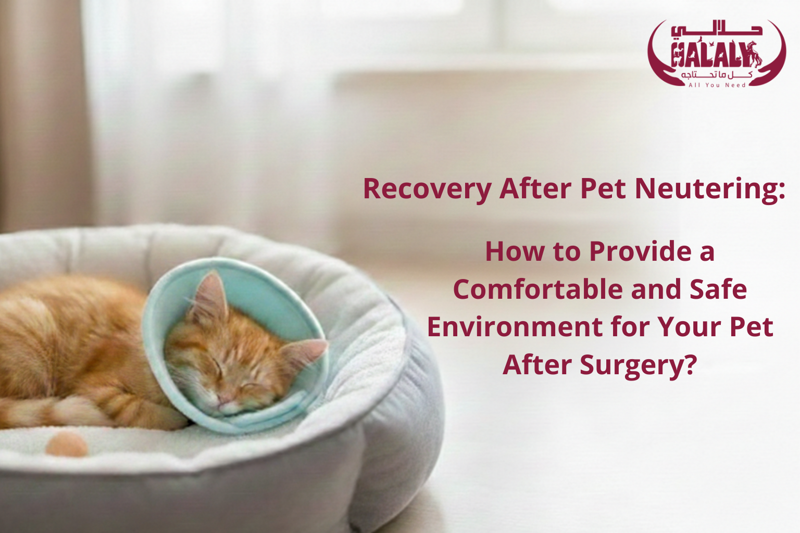
Animal neutering is no longer a secondary issue or a decision to be made in haste; it is a fundamental step in the lives of many pets, directly affecting their health, behavior, and overall quality of life. As pet owners' awareness grows, discussions about neutering have become clearer and more realistic, moving away from old myths and fears. The idea is not just about preventing reproduction; it extends to preventing serious diseases, reducing annoying behaviors, and helping the animal live a balanced, peaceful life at home.
What is Animal Neutering and Why is it Recommended?
Animal neutering is a relatively simple medical procedure performed under the supervision of a veterinarian. It aims to stop the reproductive capability of the animal, whether it is a cat or a dog.
-
In females: The procedure (spaying) involves removing the ovaries and sometimes the uterus.
-
In males: The procedure (neutering/castration) involves removing the testes.
This intervention is not "cruel" as some might think; rather, it is one of the most common and safest operations in modern veterinary medicine. The primary reason veterinarians recommend it is to maintain long-term health. Many diseases related to the reproductive system can be entirely avoided through neutering, in addition to reducing the number of stray animals suffering on the streets without care.
The Difference Between Neutering Cats and Dogs
While neutering shares a general goal across species, the details differ between cats and dogs:
-
Cats: Generally reach sexual maturity at a relatively early age, so the decision to neuter is often made sooner. The procedure is typically faster, especially for males.
-
Dogs: The timing depends heavily on the breed, size, and physical growth. Large breeds may require more time for bone development before the procedure.
Health and Behavioral Benefits
One of the most important benefits of neutering is the prevention of uterine infections (Pyometra) and cancerous tumors, especially in females. It also significantly reduces the risk of mammary tumors in females and prevents prostate problems in males.
Behaviorally, neutering helps reduce aggression, roaming (attempts to escape), and annoying urine marking inside the home. Many owners notice a clear improvement in the animal's calmness without it affecting their personality or love for play.
Neutering Cats: Everything You Need to Know
Neutering is a common practice for cat owners, especially in households facing unplanned pregnancies. An unneutered female cat may go through frequent heat cycles, causing visible stress and behaviors such as loud meowing and a constant urge to escape.
Spaying Female Cats and Uterine Removal
Spaying usually involves removing the ovaries and may include the entire uterus. This prevents pregnancy permanently and protects the cat from life-threatening conditions like Pyometra.
Using specialized nutrition, such as Royal Canin integrated cat food, can help cover all their nutritional needs during various life stages.
The Best Age to Neuter Cats
The ideal age is generally between 5 to 6 months. At this age, the cat is physically developed enough for surgery but has not yet entered frequent heat cycles. Choosing the right timing minimizes surgical risks and maximizes health benefits.
Does Neutering Affect Behavior or Weight?
A common fear is that neutering leads to laziness or obesity. While hormonal changes might reduce excessive activity, weight gain is not inevitable. It depends primarily on nutrition and lifestyle. A neutered cat remains playful if provided with a balanced diet and opportunities for exercise.
Post-Operative Care for Cats
The recovery phase is just as important as the surgery itself.
-
Medical Instructions: Keep the cat in a quiet, warm place. Monitor the wound daily and ensure the cat does not lick the site (using a medical collar if necessary).
-
Medication: Adhering to prescribed painkillers or antibiotics is essential.
-
Nutrition: You may need to adjust their diet to lower-calorie options, such as Royal Canin Adult Cat Food, to prevent weight gain while maintaining energy.
-
Activity: Gentle movement is okay after a few days, but avoid jumping or rough play initially.
When to call the vet? If you notice abnormal swelling, severe redness, or a prolonged loss of appetite.
Neutering Dogs and Its Types
In dogs, neutering is crucial for home environments. Unneutered dogs may show aggressive tendencies or a drive to roam in search of a mate.
-
Benefits for Males: It reduces aggression, prevents dominance-related behaviors like urine marking, and eliminates the risk of testicular cancer.
-
Timing: Small breeds can be neutered earlier, while large breeds should wait until their bone structure is fully developed.
Frequently Asked Questions (FAQ)
-
Is neutering safe in the long term? Yes, it is very safe when performed at trusted clinics. Long-term health benefits far outweigh the minimal risks.
-
Are there potential side effects? Like any surgery, there are minor risks like infection or anesthesia reactions, but these are rare. Following veterinary instructions reduces these risks to a minimum.
The decision to neuter is a real investment in your pet's health and comfort. It is a responsible step that reflects your awareness as a caregiver. For reliable information and products to support your pet's journey, we recommend visiting Halalys to explore available options for a healthier, calmer life for your companion.