
















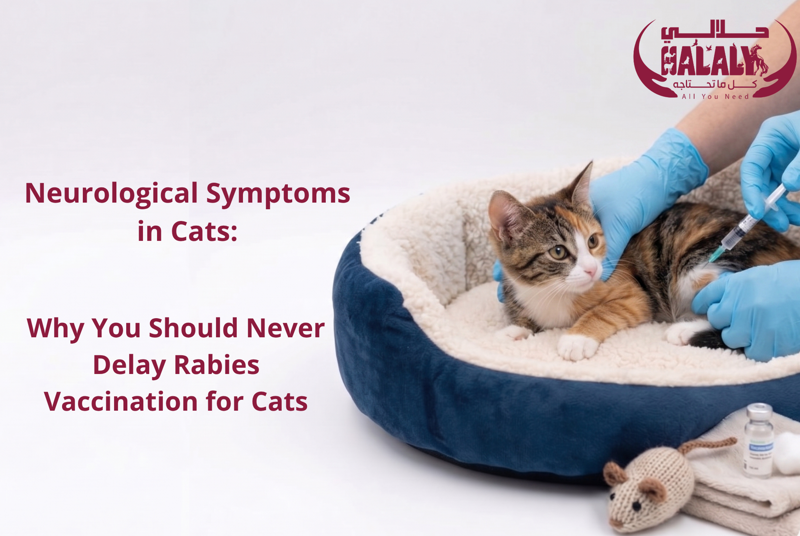
Not all cat owners take rabies vaccination for cats seriously at first until they realize it’s one of the most critical vaccines that can save a cat’s life and protect everyone around them.
Rabies isn’t just an ordinary illness. It’s a nearly 100% fatal virus once it reaches advanced stages, directly affecting the nervous system. That’s why vaccination isn’t optional it’s essential for anyone who owns a cat, whether indoors or outdoors.
What Is Rabies Vaccination for Cats and Why Is It Important?
Rabies vaccination for cats is a vaccine given to protect them from the rabies virus, which attacks the nervous system and is often fatal.
The importance goes beyond protecting your cat it also protects humans, as rabies can easily spread through bites or scratches.
The Role of Rabies Vaccination in Disease Prevention
The vaccine stimulates the cat’s immune system to produce antibodies against the virus.
Simply put, if the cat is exposed later, its body is already prepared to fight it off before it spreads.
This significantly reduces the risk of infection, which is why rabies vaccination for cats is mandatory in many countries.
How Rabies Is Transmitted and Its Impact on Cats
The virus is commonly transmitted through:
-
Bites from infected animals
-
Deep scratches contaminated with saliva
-
Direct contact with infected saliva
Once inside the body, the virus travels through the nerves to the brain, where it gradually damages the nervous system.
Neurological Symptoms Associated with Rabies
When a cat is infected, symptoms don’t appear suddenly they develop gradually and progress quickly.
Behavioral and Neurological Changes in Cats
Early signs may include:
-
Sudden behavioral changes (a calm cat becoming aggressive or vice versa)
-
Unusual fear or anxiety
-
Loss of appetite
-
Difficulty walking or maintaining balance
-
Excessive drooling
These symptoms are linked to the virus affecting the brain and nervous system.
When Do Symptoms Indicate Serious Danger?
If your cat shows:
-
Sudden extreme aggression
-
Loss of coordination
-
Seizures
-
Difficulty swallowing
These are serious warning signs, usually indicating advanced stages where treatment is nearly impossible.
Rabies Vaccination Schedule for Cats
One of the most common questions is: when should I vaccinate my cat?
The Right Age for the First Dose
Typically, the first rabies vaccination for cats is given at:
-
12 to 16 weeks of age (around 3–4 months)
At this stage, the immune system is ready to respond effectively.
Booster Shots and Their Importance
After the first dose:
-
A booster is given after one year
-
Then annually or every three years depending on the vaccine
Sticking to the proper schedule ensures long-term protection.
Rabies Shots for Cats: What to Expect
Many owners worry about injections, but the process is simple.
How Rabies Shots Are Given
Rabies shots for cats are usually administered:
-
Subcutaneously (under the skin)
-
Around the neck or back area
It takes only seconds, and most cats feel just a mild pinch.
The Role of the Veterinarian
The vet determines:
-
The correct dosage based on age and weight
-
The type of vaccine
-
The full vaccination schedule
This ensures safety and effectiveness.
Side Effects of Rabies Vaccination for Cats
After vaccination, mild symptoms are normal and indicate the immune system is responding.
Common Side Effects
Typical side effects of rabies vaccination for cats include:
-
Mild lethargy
-
Temporary loss of appetite
-
Slight swelling at the injection site
-
Low-grade fever
These usually disappear within a day or two.
When Should You Be Concerned?
In rare cases, more serious symptoms may appear, such as:
-
Severe swelling
-
Persistent vomiting
-
Difficulty breathing
-
Strong allergic reactions
If any of these occur, contact your vet immediately.
Important Tips After Rabies Vaccination for Cats
Post-vaccination care helps your cat recover comfortably.
How to Care for Your Cat After the Shot
After rabies vaccination for cats, you should:
-
Provide a quiet and comfortable space
-
Avoid intense play for a day
-
Monitor eating habits and behavior
-
Offer fresh water and light meals
Mistakes to Avoid After Vaccination
Avoid these common mistakes:
-
Bathing your cat immediately after vaccination
-
Taking it to crowded or high-risk areas
-
Ignoring unusual symptoms
-
Skipping booster shots
If you’re ready to take your cat’s health seriously or haven’t been consistent with vaccinations now is the right time to act.
You can find everything you need for your cat’s care, from medical supplies to nutrition, at Halaly and start protecting your pet before risks appear.