
















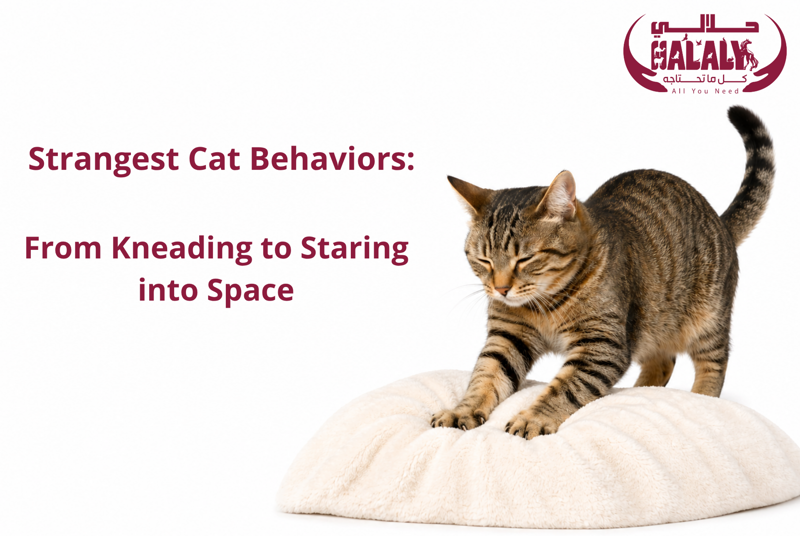
Cats do not behave randomly as some people think. Every movement or action they make has a clear meaning tied to their nature and instincts. Understanding cat behaviors is the real key to building a strong relationship with your pet and avoiding many daily challenges. Once you start noticing the small details, you’ll realize your cat is “talking” to you all the time just in a different language that you need to understand.
What Are Cat Behaviors and Why Do They Sometimes Seem Strange?
At first, some cat behaviors may seem illogical or even annoying, like sudden midnight zoomies or hiding in tight spaces. However, these actions are part of their nature as hunters who rely on quick reflexes and sharp senses.
Common Cat Behaviors Explained
Some of the most noticeable behaviors include:
-
Sudden running: usually due to excess energy or hunting simulation
-
Scratching: a way to mark territory and sharpen claws
-
Hiding: a sign of safety, not necessarily fear
These patterns of cat behaviors are completely normal and reflect their instincts and internal environment.
The Difference Between Normal and Unusual Behavior
Not every strange action means something is wrong. The difference lies in frequency and intensity:
-
Normal behavior: balanced and harmless
-
Unusual behavior: excessive or paired with aggression or fear
For example, playing is normal, but constant biting may indicate stress or an issue related to cat body language.
How to Understand Your Cat’s Daily Actions
To better understand cat behaviors:
-
Observe timing: when does the behavior occur?
-
Notice the environment: are there any changes?
-
Watch body language: is your cat relaxed or tense?
These factors help you read your cat’s behavior more accurately.
Cat Body Language and How Cats Express Their Feelings
Cats rely heavily on physical signals to communicate, so understanding cat body language is essential for any owner.
Cat Tail Language and Its Meanings
Cat tail language is one of the most important indicators:
-
Tail held high: confidence and happiness
-
Puffy tail: fear or threat
-
Rapid tail movement: tension or irritation
Understanding cat tail language helps you predict reactions before they happen.
Ear and Eye Movements
Ears and eyes reveal a lot:
-
Ears forward: interest and focus
-
Ears back: fear or anger
-
Wide eyes: curiosity or stress
These details are key parts of cat body language.
Body Posture and Changes
Body posture reflects emotional state:
-
Stretched body: complete relaxation
-
Crouched body: fear or readiness to escape
-
Arched back: defensive stance
All these signals help you understand cat behaviors more deeply.
Signs of a Happy Cat and How to Notice Them
It’s not hard to tell if your cat is happy you just need to pay attention to small details that appear as signs of cat happiness.
Movements That Show Comfort and Security
Some key signs of cat happiness include:
-
Sleeping in open spaces
-
Lying on their back
-
Playing without fear
These behaviors indicate that your cat feels safe.
Purring and What It Means
Purring is one of the most well-known signs of cat happiness, but it can also mean:
-
Comfort and relaxation
-
Seeking attention
-
Self-soothing during stress
Affection and Rubbing Against You
When your cat rubs against you or follows you around, it means:
-
They trust you
-
They see you as part of their environment
-
They are expressing attachment
This is one of the clearest signs of cat happiness.
Causes of Cat Aggression and How to Handle It
Aggression is not a basic trait in cats it’s usually a result of different factors affecting cat behaviors.
When Is Aggression Normal?
Aggression can be normal in situations like:
-
Rough play
-
Self-defense
-
Territory protection
However, if it becomes excessive, you need to investigate the causes of cat aggression.
Reasons for Fear and Stress in Cats
Some of the main causes of cat aggression include:
-
Sudden environmental changes
-
Loud noises
-
Poor treatment
-
Lack of interaction
These factors influence cat body language and increase tension.
How to Calm an Aggressive Cat
To handle aggression:
-
Do not punish your cat
-
Provide a safe space
-
Use play to release energy
-
Watch warning signs
Proper handling greatly reduces the causes of cat aggression.
Persian Cat Behavior: Is It Different?
Persian cat behavior stands out compared to other breeds, especially in terms of calmness and preference for comfort.
Nature of Persian Cat Behavior
Typically, Persian cat behavior is:
-
Calm
-
Sleeps frequently
-
Less active than other cats
This makes them ideal for indoor living.
Their Special Needs
Due to their nature:
-
They need a quiet environment
-
They dislike noise
-
They require regular grooming
Understanding Persian cat behavior helps you care for them better.
Common Traits
Key characteristics of Persian cat behavior:
-
Sitting for long periods
-
Strong attachment to their owner
-
Low activity levels
This differs from more energetic breeds that rely on constant play.
How to Properly Deal with Cat Behaviors
Handling cat behaviors requires patience and understanding not just reacting to actions.
Positive Behavior Training
Best ways to manage cat behaviors:
-
Positive reinforcement (rewards)
-
Ignoring unwanted behavior instead of punishing it
-
Providing a suitable environment
These methods lead to long-term results.
Mistakes to Avoid
Common mistakes include:
-
Yelling at your cat
-
Hitting or scaring them
-
Ignoring their needs
These actions increase stress and negatively affect cat body language.
Tips to Better Understand Your Cat
To improve your relationship:
-
Observe daily details
-
Learn to read signals
-
Spend time playing
The more you understand cat behaviors, the easier and more comfortable life becomes with your pet.
Paying attention to simple details like sleeping space, toys, or even a calm environment can completely change your cat’s behavior. If you’re looking for products that provide comfort and safety for your cat, you can visit Halaly, where you’ll find everything you need to make your cat’s life happier and more comfortable.