










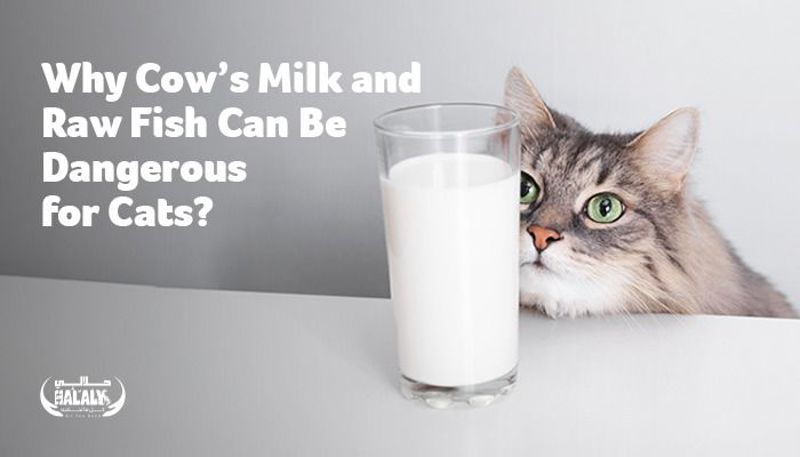
At first glance, milk and fish may seem like safe and nutritious foods for cats, but the reality is quite different. Feeding your cat the right diet isn’t just about satisfying their appetite—it’s about protecting their health from potential digestive and nutritional problems. Cow’s milk and raw fish can pose serious risks, leading to digestive issues, nutrient deficiencies, or even long-term health problems. Therefore, it’s crucial to understand which foods are safe for cats and which should be avoided, while focusing on a balanced diet suitable for every stage of their life.
What Foods Are Suitable for Cats and Which Should Be Avoided?
Providing the right nutrition is essential for keeping your cat healthy and active. Cats require a balanced diet rich in animal proteins, essential vitamins, and minerals that support growth and vitality. Conversely, some foods should be avoided as they may cause digestive disturbances or long-term health complications.
Recommended Product:
For complete and safe nutrition, consider Royal Canin adult cat food, formulated to meet all daily nutritional needs:
Cat-Friendly Foods for Balanced Nutrition
Ideal foods for cats contain high-quality animal protein, such as chicken or properly cooked fish, along with a balanced mix of healthy fats, vitamins, and minerals. This supports heart health, digestion, and a shiny coat, keeping cats energetic throughout the day.
Recommended Product:
Boost your cat’s health and activity with Royal Canin cat food rich in proteins and essential vitamins:
Age-Appropriate Nutrition
Cats’ dietary needs vary with age. Kittens require food rich in calcium and protein to build bones and muscles, adults need balanced protein and energy to maintain healthy weight and daily activity, and senior cats benefit from easily digestible, antioxidant-rich foods to support joint and eye health.
Recommended Product:
Ensure age-appropriate nutrition with Royal Canin foods formulated for each life stage:
Why Cow’s Milk Is Dangerous for Cats
Despite the common perception that milk is healthy for cats, cow’s milk can be very harmful. Most cats are lactose intolerant, meaning they cannot properly digest the natural sugar in milk. Drinking cow’s milk may cause severe digestive problems such as diarrhea and bloating, and it can disrupt nutrient balance.
Recommended Product:
Instead of cow’s milk, use lactose-free kitten milk designed for safe, nutritious feeding:
Lactose Intolerance in Cats
Many cats lose the ability to produce lactase, the enzyme needed to digest lactose, after weaning. Consuming cow’s milk can lead to bloating, gas, diarrhea, and long-term stomach stress.
Recommended Product:
Use lactose-free cat milk to provide fluids and essential nutrients without digestive issues:
Digestive Issues from Cow’s Milk
Frequent consumption of cow’s milk can cause chronic diarrhea, bloating, and loss of appetite. These problems can negatively affect overall health and weaken the immune system over time.
Recommended Product:
Safe milk for kittens ensures proper digestion and energy for growth:
Dangers of Raw Fish
Raw fish may seem like an enticing treat, but it can be hazardous. It sometimes contains bacteria or parasites that cause food poisoning or severe digestive issues. Additionally, some raw fish have the enzyme thiaminase, which destroys vitamin B1, essential for nervous system function. Feeding raw fish without proper cooking can lead to serious long-term health problems.
Recommended Product:
For a safe fish meal, use cooked fish-based cat food free from bacteria and parasites:
Common Foods That Seem Safe but Are Harmful
Some foods may appear harmless or beneficial but can cause serious health issues. These include salty and fatty foods, spicy seasonings, chocolate, and caffeine. They may trigger digestive problems, poisoning, or heart and nervous system issues.
Recommended Product:
Choose balanced cat food like Royal Canin that provides ideal nutrition without harmful additives:
Key Takeaway
Maintaining your cat’s health starts with choosing the right diet. Avoid cow’s milk, raw fish, and harmful foods such as salty, spicy, chocolate, and caffeinated products. Providing a balanced diet rich in proteins, vitamins, and minerals, while consulting your veterinarian when needed, ensures your cat stays healthy, active, and happy. Understanding and protecting your cat’s nutritional needs is the best way to ensure they remain a joyful and healthy companion in your home.
How to Choose a Healthy and Safe Diet for Your Cat
Choosing a healthy and safe diet for cats requires understanding their actual nutritional needs and avoiding harmful foods. Focus on providing high-quality animal proteins, healthy fats, and essential vitamins and minerals necessary for their growth and daily activity. Consulting a veterinarian before changing your cat’s diet is a crucial step to ensure their long-term health and happiness.
The Importance of Protein in Cat Food
Protein is the primary component of a cat’s diet, supporting muscle growth, heart health, and overall body activity. Cats require high-quality animal protein more than any other type, so it’s important to choose foods that include ingredients such as chicken, properly cooked fish, or high-quality minced meat.
The Role of Nutritional Supplements When Needed
In some cases, cats may need dietary supplements to compensate for specific deficiencies, such as eye-support vitamins, omega-3 fatty acids, or joint-support supplements. These supplements help enhance the cat’s health and daily activity.
Consulting the Veterinarian Before Changing the Diet
Before introducing any changes to your cat’s diet, it is essential to consult a veterinarian to ensure the food meets your cat’s specific needs, whether they are kittens, adults, or seniors, or if they have any health conditions. This step ensures the safety of your cat and prevents any unwanted health complications.
Maintaining your cat’s health begins with choosing the right diet and avoiding harmful foods such as cow’s milk, raw fish, as well as salty, spicy foods, chocolate, and caffeine. Providing a balanced diet rich in proteins, vitamins, and minerals, along with consulting a veterinarian when needed, ensures your cat’s health, activity, and happiness over the long term. Understanding your cat’s nutritional needs and protecting them from dietary risks is the best way to make them a healthy and happy companion at home.