








































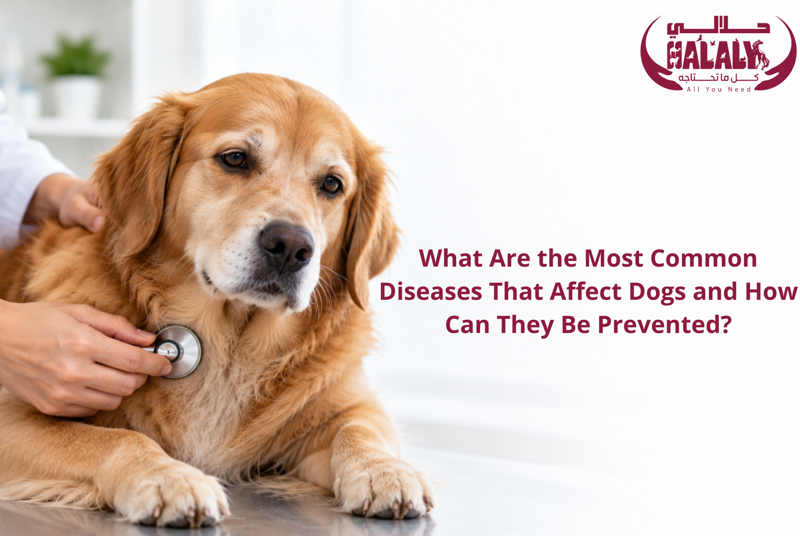
The diseases that affect dogs include viral and bacterial infections, parasites, skin conditions, digestive disorders, and chronic illnesses. Some conditions begin with mild signs such as lethargy, itching, or loss of appetite but may progress quickly if they are not identified and treated in time.
A disease cannot be diagnosed from a single symptom or photograph because vomiting, diarrhoea, and hair loss can have several causes. The best approach is to monitor changes, maintain vaccinations and parasite prevention, and seek veterinary care when symptoms persist or serious warning signs appear.
The Most Common Diseases That Affect Dogs
The diseases that affect dogs vary according to age, breed, environment, and lifestyle. Puppies that have not completed their vaccinations are more vulnerable to certain infectious diseases, while older dogs are more likely to develop joint, heart, kidney, and tumour-related conditions.
Understanding the main categories of dog diseases can help owners take preventive action. However, veterinary diagnosis remains essential because different conditions may cause similar symptoms.
Viral and Bacterial Diseases
Some infectious diseases spread through contact with an infected dog, its bodily fluids or faeces, or contaminated equipment and surfaces. Certain infections may also spread without direct contact, particularly in parks, boarding facilities, and locations where many animals gather.
Common viral and bacterial diseases include:
-
Canine parvovirus: This condition particularly affects puppies and may cause severe vomiting, bloody diarrhoea, and rapid dehydration.
-
Canine distemper: This disease can affect the respiratory, digestive, and nervous systems. Symptoms may include discharge, lethargy, coughing, vomiting, and seizures.
-
Canine infectious hepatitis: This condition may affect the liver and other organs, with severity ranging from mild illness to a life-threatening condition.
-
Rabies: This is a serious viral disease that is usually transmitted through the saliva of an infected animal, particularly through a bite.
-
Leptospirosis: This bacterial infection may affect the liver and kidneys. Risk is associated with exposure to infected animal urine or contaminated water.
-
Respiratory infections: These may cause coughing, sneezing, and discharge and can spread quickly in locations where many dogs gather.
If your dog develops signs of an infectious disease, reduce its contact with other animals and call the veterinary clinic before arriving. This allows the clinic to receive your dog in a way that limits possible transmission.
Parasitic and Chronic Diseases
Internal parasites include intestinal worms and heartworms, while external parasites include fleas, ticks, and certain types of mites. These parasites do more than cause itching. They may contribute to anaemia, digestive problems, and the transmission of other diseases.
Chronic diseases include heart, kidney, and liver conditions, diabetes, arthritis, and allergies. These conditions may develop slowly, with owners noticing changes such as increased thirst, frequent urination, reduced activity, or weight changes.
Regular examinations can help identify some diseases that affect dogs before they become advanced. The importance of monitoring weight, blood results, and general health increases as a dog ages or develops an existing medical condition.
Skin Diseases in Dogs
Skin diseases in dogs are common, but different conditions may look similar. Itching and hair loss can result from fleas, allergies, infections, mites, or hormonal disorders.
Using a random cream or shampoo may temporarily hide the symptoms without treating the cause. Some human products may also irritate the skin or contain ingredients that are unsuitable for dogs.
Common Skin Diseases and Their Symptoms
Common skin diseases in dogs include:
-
Flea allergy dermatitis: This can cause intense itching and hair loss, particularly near the base of the tail and lower back.
-
Allergic dermatitis: It may be associated with environmental or dietary triggers and can cause itching, redness, recurring ear infections, or paw irritation.
-
Mange: Different types of mites can cause mange, leading to itching, scaling, and hair loss.
-
Bacterial skin infections: These may appear as spots, crusts, unpleasant odours, or moist and painful areas.
-
Fungal infections: These may cause circular patches of hair loss and scaling. Some fungal infections can spread to other animals or people.
-
Hot spots: These are moist, inflamed areas that may spread because of constant licking and scratching.
-
Hormonal disorders: These may cause symmetrical hair loss and skin changes without always producing severe itching.
Inspect your dog’s skin while brushing and look for redness, scaling, lumps, unusual odours, and changes in coat density. Check the ears, paws, and spaces between the toes because inflammation commonly appears in these areas.
When Does a Skin Condition Require Veterinary Care?
A skin condition requires veterinary examination when itching continues, hair loss spreads, or wounds, discharge, and strong odours appear. Do not wait if your dog scratches until the skin bleeds or shows signs of significant pain.
Veterinary care is also necessary if you notice:
-
Facial or eyelid swelling.
-
Difficulty breathing with a rash or swelling.
-
Rapidly spreading spots or crusts.
-
Pus, discharge, or bleeding.
-
Lethargy or fever accompanying the rash.
-
Similar itching or skin patches in other animals or people in the home.
-
Inflammation that repeatedly returns after treatment.
-
A skin lump that grows or changes appearance.
Diagnosing skin diseases in dogs may require a skin examination, scraping, culture, or blood test. Do not give antibiotics or antifungal medication without identifying the cause.
Treating Ticks on Dogs
Treating ticks on dogs involves removing attached ticks, using a suitable preventive product, checking the surrounding environment, and monitoring the dog for signs of illness. One method does not suit every dog because the choice depends on age, weight, health, and product type.
Tick treatments may be available as topical products, oral tablets, or specialised collars. However, a veterinarian should help you select the right product. Never use a treatment made for another animal or combine multiple products without confirming that the combination is safe.
The Best Ways to Remove Ticks
If you find one tick attached to the skin, wear gloves and use fine-tipped tweezers or a specialised tick-removal tool. Hold the tick close to the skin and pull it out slowly and steadily without crushing or twisting it forcefully.
After removal:
-
Place the tick in a closed container or bag if your veterinarian requests that it be kept.
-
Gently clean the attachment site.
-
Wash your hands and the removal tool.
-
Examine the rest of your dog’s body carefully.
-
Record the date when you found the tick.
-
Monitor your dog over the following days and weeks.
Do not attempt to suffocate the tick with oil or burn it while it remains attached to your dog. Do not remove it with your bare hands, as crushing the tick may expose you to its contents. Incorrect removal may also leave parts of the tick embedded in the skin.
If the infestation is widespread or ticks of different sizes are present, treatment should address both the dog and its environment. Bedding and sleeping areas may require appropriate cleaning, especially because some tick species can survive inside homes and kennels.
Caring for Your Dog After Tick Treatment
Examine your dog’s skin every day after removing a tick. Monitor the bite area for redness, swelling, or discharge. Mild irritation may occur, but veterinary advice is needed if it persists or worsens.
You should also monitor your dog for:
-
Unusual lethargy.
-
Loss of appetite.
-
Fever.
-
Pale gums.
-
Joint pain or difficulty moving.
-
Bruising or bleeding.
-
Changes in urine colour.
-
Vomiting or diarrhoea.
-
Weakness or loss of balance.
One symptom does not automatically mean that your dog has a tick-borne disease. However, veterinary assessment is important if signs develop, particularly after a heavy infestation or when the duration of exposure is unknown. A veterinarian may recommend blood tests according to the symptoms, location, and possible tick species.
Causes of Ticks in Dogs
Ticks do not appear solely because a dog is unclean. The main causes of ticks in dogs involve exposure to an environment where ticks are present, contact with an affected animal, and the absence of regular and appropriate prevention.
A clean indoor dog can become infested after visiting a contaminated garden or coming into contact with another animal carrying ticks. Some tick species can also enter homes and settle in cracks and animal sleeping areas.
How Do Ticks Spread to Dogs?
Ticks do not fly or jump like some insects. They wait on grass and plants before attaching themselves to a passing animal. Exposure is more common in gardens, heavily planted areas, and places where animals gather.
Common causes and risk factors include:
-
Walking through grass and bushes.
-
Contact with affected dogs or other animals.
-
Staying in a location with a previous infestation.
-
Failing to use regular tick prevention.
-
Travelling to an area where ticks are common.
-
Not checking the dog after outdoor activity.
-
Having an untidy garden or yard.
-
Sharing bedding or sleeping areas with an affected animal.
Check the areas where ticks commonly hide, including inside and around the ears, under the collar, beneath the front legs, between the toes, around the tail, and between the back legs.
How to Prevent Tick Infestations
Prevention begins with a dog-specific product selected by a veterinarian according to the dog’s age, weight, and health. Follow the recommended schedule because a missed dose may leave the dog without sufficient protection.
Preventive steps include:
-
Checking your dog after outdoor walks.
-
Brushing the coat and feeling for small lumps.
-
Washing bedding and cleaning sleeping areas.
-
Trimming grass and maintaining the garden.
-
Examining other animals in the household.
-
Avoiding products with unsuitable doses.
-
Reviewing prevention before travel or boarding.
-
Continuing protection according to local risk levels.
Ticks may remain active during different periods of the year depending on the species and climate. Regular year-round prevention may be recommended in areas where the risk continues throughout the year.
How a Dog Vaccination Schedule Supports Prevention
A dog vaccination schedule can reduce the risk or severity of several infectious diseases, but it does not protect against every illness. Vaccination should be combined with hygiene, balanced nutrition, parasite prevention, and regular examinations.
No single vaccination schedule is suitable for every dog. A veterinarian develops the plan according to age, previous records, vaccine type, location, lifestyle, and exposure risk.
Essential Dog Vaccines
Core dog vaccines generally protect against:
-
Canine distemper virus.
-
Canine parvovirus.
-
Canine adenovirus.
-
Rabies in regions where it is present or legally required.
Vaccines against distemper, adenovirus, and parvovirus are widely considered core vaccines. Rabies vaccination is also essential in regions where the disease occurs or where local regulations require it.
A veterinarian may recommend additional vaccines according to the dog’s risk level, including protection against leptospirosis or certain respiratory infections. A dog that frequently visits boarding facilities or meets many animals may need a different plan from a dog with limited contact.
Vaccination Timing and Annual Boosters
A puppy vaccination schedule usually begins during the first weeks of life. Some vaccines are repeated at intervals determined by the veterinarian until the puppy passes the age when maternal antibodies may interfere with its response.
After the initial series, the dog requires a booster at the recommended time. Later doses are scheduled according to the vaccine type, manufacturer’s instructions, local regulations, and the dog’s level of risk.
The term “annual booster” does not mean that every vaccine must be given every year. Some vaccines may require annual administration, while certain core vaccines can be repeated at longer intervals after the primary programme has been completed.
Keep the vaccination certificate and record the vaccine name, administration date, and next appointment. If a dose is delayed, do not give two doses together or restart the programme without veterinary guidance. Ask the veterinarian to adjust the schedule.
Signs That a Dog May Be Ill
Dog diseases may appear in different ways, and the early signs can be subtle. Compare your dog’s current condition with its normal behaviour rather than comparing it with another dog.
Any sudden or persistent change in appetite, activity, breathing, or toilet habits deserves attention, particularly in puppies, older dogs, and dogs with chronic conditions.
Symptoms That Should Not Be Ignored
Warning signs include:
-
Loss or reduction of appetite.
-
Persistent lethargy or obvious weakness.
-
Repeated vomiting or diarrhoea.
-
Coughing, sneezing, or unusual discharge.
-
Severe itching or hair loss.
-
Increased thirst or urination.
-
Unexplained weight loss or gain.
-
Difficulty moving or lameness.
-
Strong odours from the mouth, ears, or skin.
-
Changes in gum colour.
-
Blood in the urine, stool, or vomit.
-
Behavioural changes or hiding.
Record when the symptoms began and how often vomiting or diarrhoea occurs. Photograph visible skin changes and tell the veterinarian about the food, medicines, and products your dog has received. This information can support a more accurate assessment.
When Is the Condition an Emergency?
Some warning signs require immediate emergency veterinary care, including:
-
Difficulty breathing or shallow breathing.
-
Loss of consciousness or collapse.
-
Ongoing or repeated seizures.
-
Severe bleeding that does not stop.
-
Repeated vomiting with an inability to retain water.
-
Severe bloody diarrhoea, particularly in puppies.
-
Sudden abdominal swelling with unsuccessful attempts to vomit.
-
Suspected poisoning or consumption of human medicine.
-
A serious accident or injury.
-
Heatstroke.
-
Inability to urinate.
-
Extremely pale or blue gums and tongue.
Do not force food or water into a dog that has difficulty breathing or is unconscious. Never administer human medication before speaking to a veterinarian.
How to Prevent Diseases in Dogs
Not every disease that affects dogs can be prevented, but preventive care reduces many risks and helps identify problems early. Prevention begins with a simple daily routine rather than waiting until symptoms appear.
Combine appropriate nutrition, vaccination, parasite control, physical activity, hygiene, and regular examinations. The plan should be adjusted according to the dog’s age and health.
Nutrition and Daily Care
Provide complete and balanced food suitable for your dog’s age, size, and activity level. Do not rely on table scraps or use supplements without guidance, as excessive amounts of certain nutrients may be as harmful as deficiencies.
Daily care should include:
-
Providing clean water at all times.
-
Measuring food portions and monitoring weight.
-
Offering suitable activity for the dog’s age and health.
-
Checking the skin, coat, ears, and paws.
-
Cleaning the teeth with dog-specific products.
-
Monitoring urine, stool, appetite, and activity.
-
Providing a clean and well-ventilated sleeping area.
-
Protecting the dog from extreme heat and cold.
Do not change the dog’s food suddenly. Make the transition gradually unless a veterinarian advises otherwise. Dogs with chronic conditions may require a specialised veterinary diet.
Hygiene and Regular Examinations
Wash food and water bowls and clean bedding and toys regularly. Do not share equipment between a sick dog and a healthy dog before the illness has been diagnosed.
Check the ears, teeth, and skin every week, and look for fleas and ticks. Nails should also be trimmed when necessary because overgrown nails may affect movement and cause pain.
Routine veterinary visits provide an opportunity to review the dog vaccination schedule and parasite-control programme. The veterinarian can also assess the dog’s weight, heart, teeth, joints, and general health and recommend tests according to age and medical history.
Mistakes That Increase the Risk of Disease in Dogs
Some diseases that affect dogs are linked to factors that owners cannot control. However, certain everyday mistakes may increase the risk of infection or delay diagnosis.
Understanding these mistakes can help owners create a practical routine, especially for puppies and dogs that frequently go outside or interact with other animals.
Neglecting Vaccinations and Preventive Care
A common mistake is delaying vaccinations or assuming that the first dose provides complete protection. Puppies need to complete the series recommended by the veterinarian, while exposure to high-risk locations should be limited until protection becomes more reliable.
Other mistakes include:
-
Failing to keep vaccination records.
-
Using parasite treatment at an unsuitable dose.
-
Stopping tick prevention when summer ends.
-
Buying treatment from an unreliable source.
-
Using a product intended for cats or a dog of a different weight.
-
Allowing a sick dog to mix with other animals.
-
Ignoring a bite from an unfamiliar animal.
-
Failing to check vaccination records before travel or boarding.
Do not combine flea and tick treatments without professional advice. Different brand names may contain the same active ingredient, and accidental duplication may result in an unsafe dose.
Feeding and Environmental Mistakes
An unbalanced diet may contribute to obesity, digestive problems, or nutrient deficiencies. Feeding mistakes include offering fatty table scraps, cooked bones, chocolate, onions, grapes, raisins, or products containing ingredients that are unsuitable for dogs.
Environmental mistakes include:
-
Leaving medicines and cleaning products within reach.
-
Failing to secure household rubbish.
-
Leaving the dog inside a closed vehicle.
-
Using pesticides near the sleeping area.
-
Failing to remove faeces from the garden.
-
Allowing stagnant water to collect.
-
Neglecting ventilation.
-
Failing to isolate an animal showing signs of infection.
Provide a safe environment away from exposed wires and small objects that can be swallowed. Preventing accidents and poisoning is an essential part of protecting dogs from illness.
What Are the Most Common Diseases in Dogs?
Common conditions include digestive disorders, parasites, skin and ear infections, and dental disease. Infectious illnesses such as parvovirus and distemper are more likely to affect unvaccinated dogs or puppies that have not completed their vaccination schedules.
Older dogs are more likely to develop joint, heart, kidney, and hormonal conditions. However, prevalence varies according to location, breed, age, and lifestyle.
Do not assume that every case of itching is caused by fleas or that every episode of vomiting is related to food. Persistent or recurring symptoms require proper assessment rather than repeated trial-and-error treatments.
How Can I Protect My Dog from Infectious Diseases?
Begin by completing the vaccination schedule recommended by your veterinarian and maintaining parasite prevention. Keep puppies that have not completed their vaccines away from unfamiliar dogs and high-traffic animal areas.
Wash bowls, clean bedding, and avoid sharing equipment with a sick animal. If signs of infection appear, temporarily separate the dog from other pets and contact the veterinary clinic before visiting.
Examine your dog after walks and maintain protection against fleas and ticks. Tick infestations are commonly linked to outdoor exposure and irregular preventive treatment.
Can Vaccination Prevent Most Dog Diseases?
Vaccines protect dogs against specific infectious diseases, but they cannot prevent every condition. Vaccination does not protect against allergies, most chronic diseases, or many skin conditions and parasites unless a specific vaccine is available and recommended for a particular local risk.
Prevention therefore depends on several measures: vaccination, parasite control, balanced nutrition, hygiene, physical activity, and regular examinations. The plan should also be updated as the dog ages, travels, or begins interacting with more animals.
Daily monitoring can help identify diseases that affect dogs at an early stage, while vaccination, hygiene, and parasite prevention reduce many avoidable risks. Visit Halalys to choose hygiene, grooming, parasite-control, and daily care supplies for your dog and create a complete routine that supports its health and comfort.